
Counterfeit antibiotics: a silent threat to global health
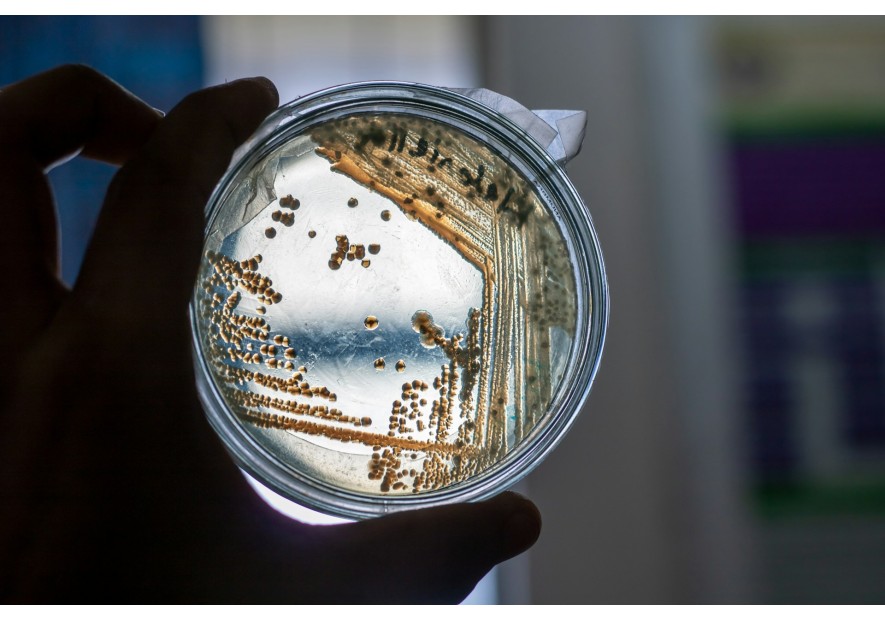
Antibiotics are, without a doubt, one of the greatest advances in modern medicine. Since the discovery of penicillin, they have made it possible to treat bacterial infections that were once fatal. However, this therapeutic tool is now seriously threatened by a criminal scourge: the counterfeiting of antibiotics.
In a world where bacteria are naturally becoming more resistant, the introduction of counterfeit, underdosed, or inactive products onto the market is not merely a case of commercial fraud; it is a crime against global public health.
What are antibiotics, and why are they essential?
Antibiotics are substances that can kill bacteria or prevent them from multiplying in the body. They are effective only against bacterial infections and have no effect on viruses.
Among the most commonly used drugs, the World Health Organization (WHO) has compiled a list of essential antibiotics that are indispensable to health care systems, including:
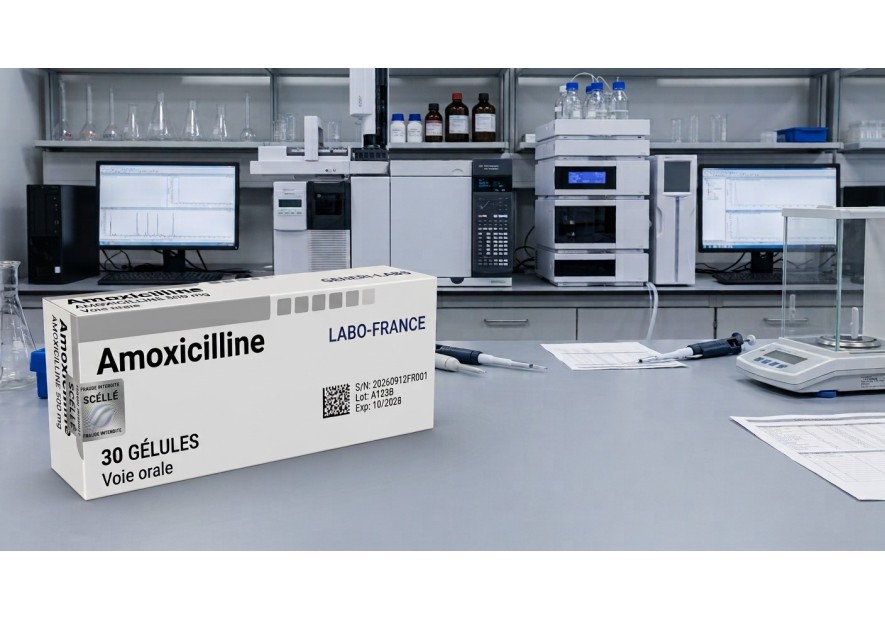
Amoxicillin: Widely used to treat respiratory and urinary tract infections.
Azithromycin: Effective against many complex bacterial infections.
Ciprofloxacin: Used to treat serious infections, particularly those of the digestive or urinary tract.
The prime target of criminal networks
Antibiotics are a major target for criminal organizations. Due to their constant global demand, they generate enormous profits. Operation Pangea, coordinated annually by INTERPOL to combat the illegal online sale of medicines, regularly seizes millions of doses of counterfeit antibiotics.
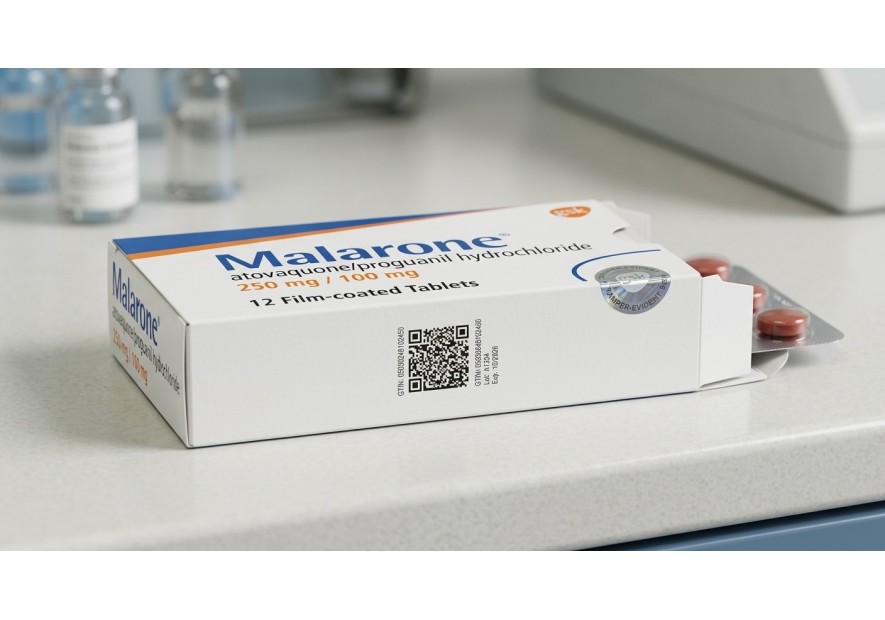
These networks infiltrate supply chains by using packaging, blister packs, and package inserts that perfectly mimic the standards of major pharmaceutical companies, making it impossible to identify them through a simple visual inspection.
The dramatic consequences: a threat to humanity
Counterfeit antibiotics have disastrous ripple effects for patients and the community:
Treatment failure: An infected patient who receives a placebo or an underdosed tablet will not recover. For severe infections (sepsis, pneumonia), this delay in treatment can be fatal.
The rise of antibiotic resistance: This is the most serious threat. When a patient takes an antibiotic at an insufficient dose, the dose is not high enough to kill the bacteria. The bacteria “learn” to survive the drug. These resistant bacteria then spread throughout the population.
A global therapeutic impasse: The WHO regularly warns of the lack of new antibiotics in development. If we lose the effectiveness of our current antibiotics due to counterfeiting, we risk a return to a pre-antibiotic era where minor infections could once again become fatal.
The Pharmanalyse Solution: Certifying Chemical Compliance
Given the proliferation of illegal online pharmacies and street-level sales networks in many countries, particularly in Africa, science must systematically resolve any doubts.
Pharmanalyse offers a drug analysis service using High-Performance Liquid Chromatography (HPLC-UV), the gold standard method for:
Verify the active ingredient: Confirm that the antibiotic actually contains the declared molecule.
Quantify the dosage: Verify that the concentration complies with pharmacopoeia standards.
Why is monitoring an absolute necessity?
For individuals: Don't blindly trust a suspicious website.
For importers and distributors: Protect yourself against legal risks and avoid placing non-compliant products on the market.
For customs and health authorities: Use rapid scientific expertise to intercept suspicious shipments at the border and protect the national supply chain.
Make science your shield
The fight against antibiotic counterfeiting can no longer rely solely on police seizures. Every player in the healthcare chain—importer, distributor, or patient—must be able to rely on a reliable chemical analysis. By having your antibiotics analyzed by Pharmanalyse, you are choosing scientific certainty over the risk of antibiotic resistance and treatment failure.
Crédit photo de Araf Ibne Alam sur Unsplash

Amoxicilline - Clamoxyl - Amoxil - Augmentin Analysis Amoxicilline - Clamoxyl - Amoxil - Augmentin Analysis
Laboratory analysis of drugs to certify the presence and measure the quantity of Amoxicillin. The level of uncertainty of the Amoxicillin content analysis depends on the declination selected (Standard <20%, Precise <10% or Regulatory <5%). Follow the instructions to send your drug to our...
Price €149.00
Azithromycine - Zithromax - Azyth - Azi-Once Analysis Azithromycine - Zithromax - Azyth - Azi-Once Analysis
Laboratory analysis of drugs to certify the presence and measure the quantity of Azithromycin. The level of uncertainty of the Azithromycin content analysis depends on the declination selected (Standard <20%, Precise <10% or Regulatory <5%). Follow the instructions to send your drug to...
Price €149.00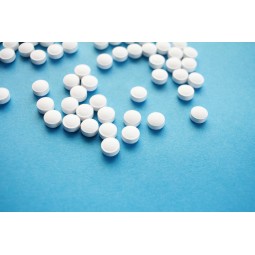
Check My Med - Participatory Science Check My Med - Participatory Science
Join Pharmanalyse in the fight against counterfeit and illegal drugs! Order our drug analysis and contribute to knowledge about the quality of medicines on the market. Our laboratory analyzes your drug, studies the data and publishes the results in a summary report accessible to the public....
Price €49.00

Ciprofloxacin - Ciflox - Cipro - Ciproxin - Ciloxan Analysis Ciprofloxacin - Ciflox - Cipro - Ciproxin - Ciloxan Analysis
Laboratory analysis of drugs to certify the presence of ciprofloxacin and measure its concentration. The level of uncertainty of the ciprofloxacin content analysis depends on the declination selected (Standard <20%, Precise <10% or Regulatory <5%). Follow the instructions to send your...
Price €199.00
Leave a comment