
Quality Control of Medicines According to the European Pharmacopoeia: The Foundation of Safety

To ensure that health products circulating in Europe are safe, effective, and of high quality, authorities rely on a single scientific reference: the European Pharmacopoeia (Ph. Eur.). This guide sets forth the mandatory standards that all manufacturers of medicines marketed on the continent must follow.
The EDQM: The Conductor of Quality
The European Pharmacopoeia is developed and updated by the European Directorate for the Quality of Medicines & HealthCare (EDQM), an institution affiliated with the Council of Europe.
Its mission: To harmonize pharmaceutical standards among member countries to facilitate the free movement of medicines while ensuring the same level of protection for all patients.
Implementation of Standards: The EDQM establishes the reference analytical methods that all control laboratories must use to verify a drug’s compliance.
What is a monograph?
The core of the Pharmacopoeia lies in its monographs. These are scientific texts that describe the strict requirements a substance or preparation must meet in order to be considered compliant.
A typical monograph includes:
Definition and Structure: The precise chemical identity of the substance.
Properties: Appearance, solubility, physical properties.
Identification: Specific tests to confirm that the substance is indeed the one declared.
Purity Tests: Acceptable limits for impurities, heavy metals, and residual solvents.
Assay: The analytical method (often HPLC) used to quantify the active ingredient.
Storage: Conditions required to prevent deterioration.
The Fundamentals of Quality Control
Testing in accordance with the European Pharmacopoeia is based on four main principles designed to eliminate any uncertainty:
Universality of Methods: Tests must be reproducible by any accredited laboratory worldwide using the same protocols.
The specificity requirement: Each test must be capable of distinguishing the active ingredient from any other substance that may be present (contaminants, degradation products).
Sensitivity: The methods must be capable of detecting trace amounts of impurities, often at levels in the range of parts per million (ppm).
Scientific validation: Any analytical method must be validated to demonstrate that it is “fit for its intended use” before it can be used in a quality control setting.
Why These Standards Are a Nightmare for Criminal Networks
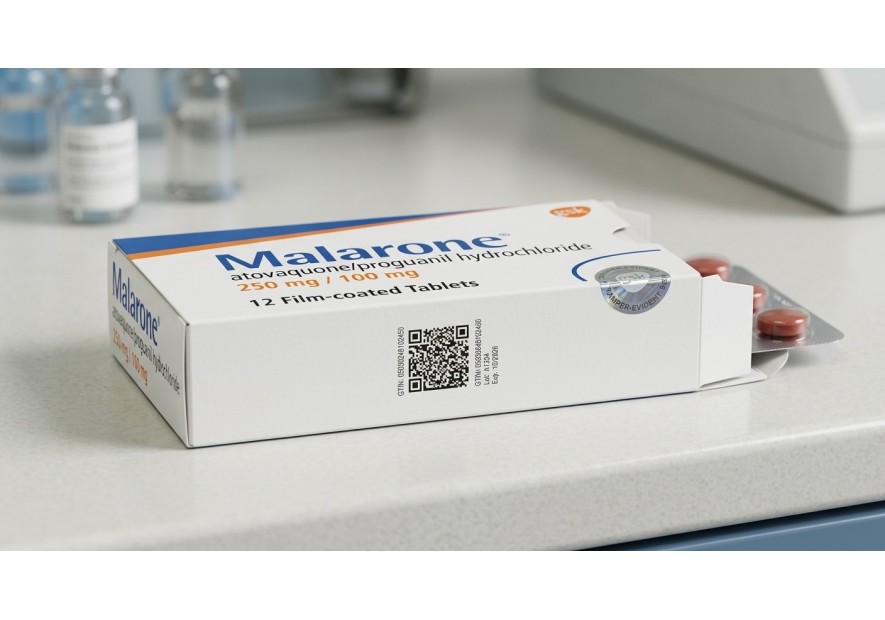
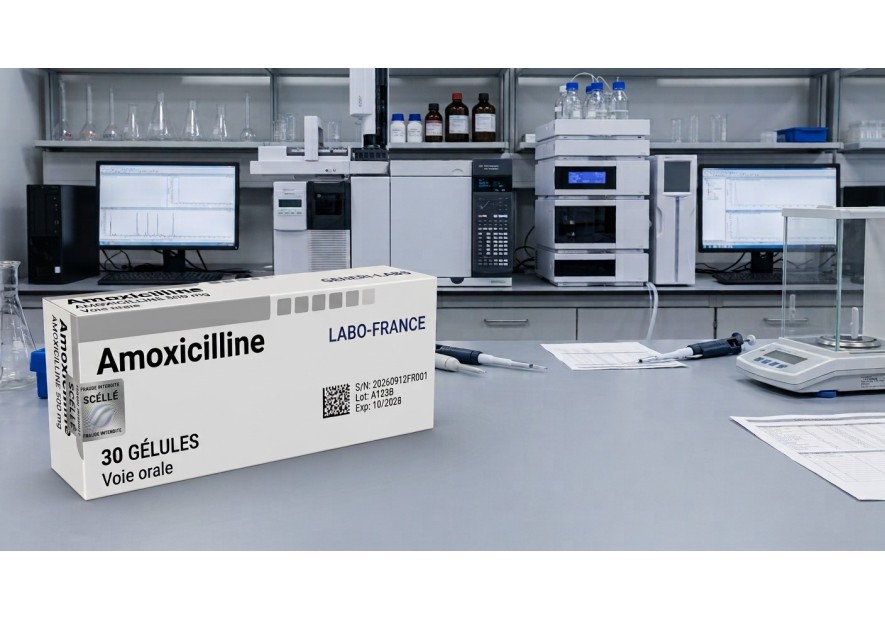
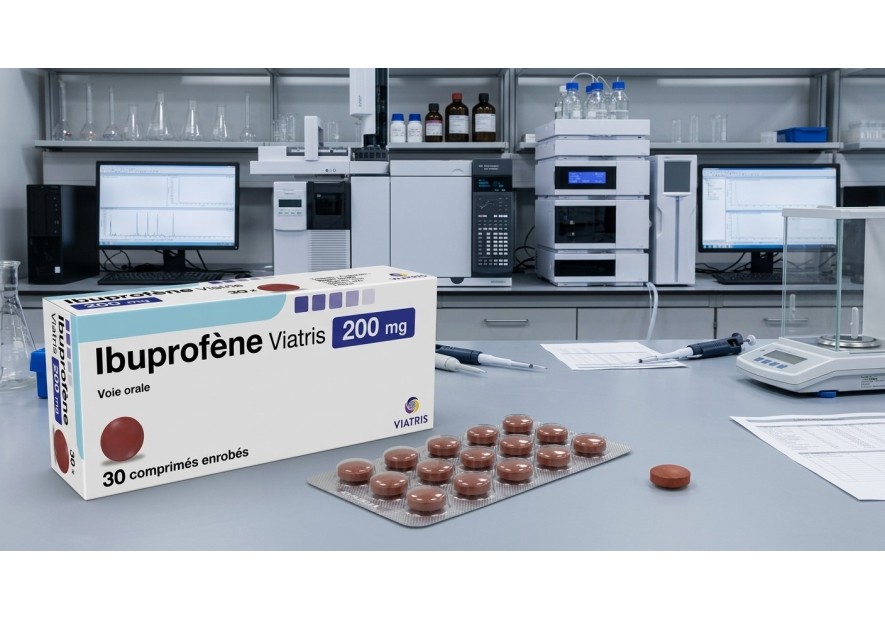
Counterfeit drugs are designed to look genuine (packaging), but they consistently fail the European Pharmacopoeia tests because they do not meet any of its scientific requirements.
To verify whether a product meets these standards, Pharmanalyse applies the protocols of the European Pharmacopoeia using High-Performance Liquid Chromatography (HPLC-UV):
Comparison to Reference Standards: We compare your samples to official monographs.
Purity Validation: We detect impurities that exceed the thresholds authorized by the EDQM.
Certification of Compliance: Our test reports confirm whether the analyzed product meets (or does not meet) the criteria of the Pharmacopoeia.
Science in the Service of Patients
Compliance with the European Pharmacopoeia ensures that a product transitions from being “apparently compliant” to a “scientifically safe” medication. In a world where criminal networks are attempting to infiltrate the supply chain, this rigor is your best ally.
Do you have a formulation and are unsure whether it complies with European standards? Don’t take any chances. Order your HPLC-UV analysis from the Pharmanalyse catalog, send your sample to the lab, and receive an expert assessment based on the monographs of the European Pharmacopoeia.


Check My Med - Participatory Science Check My Med - Participatory Science
Join Pharmanalyse in the fight against counterfeit and illegal drugs! Order our drug analysis and contribute to knowledge about the quality of medicines on the market. Our laboratory analyzes your drug, studies the data and publishes the results in a summary report accessible to the public....
Price €49.00
Leave a comment