
Counterfeit GLP-1 Medications: A New Analytical and Safety Challenge
The landscape of modern medicine has been transformed in recent years by the advent of a new class of therapeutic treatments. However, this remarkable scientific breakthrough quickly attracted the attention of illicit networks. The counterfeiting of GLP-1 medications has become a major concern for global health authorities, combining severe medical risks with unprecedented technical complexity in detecting counterfeits.
What are GLP-1 medications, and what conditions are they used to treat?
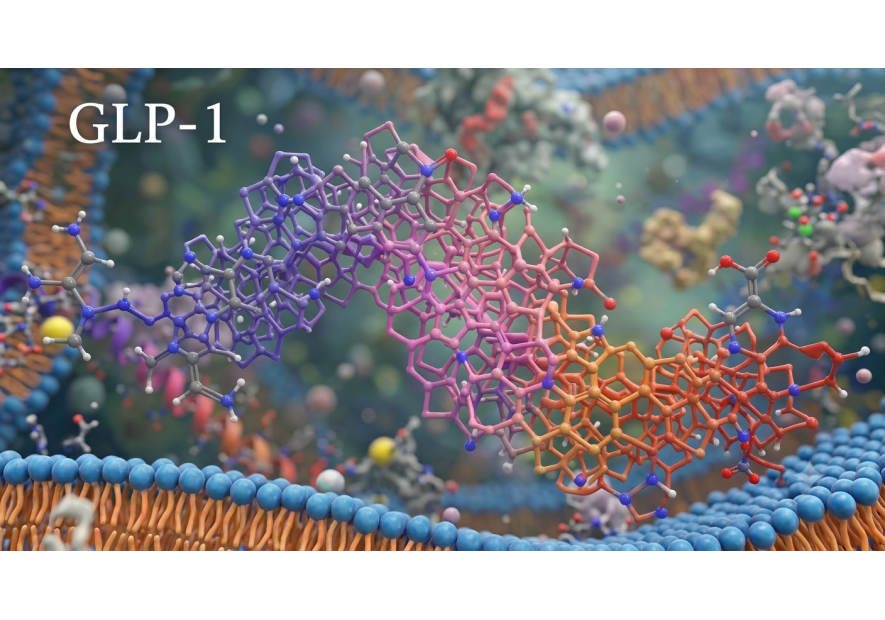
GLP-1 (Glucagon-Like Peptide-1) medications are analogs of a hormone naturally secreted by the intestine after meals. They work primarily by stimulating insulin secretion by the pancreas, slowing gastric emptying, and sending a strong signal of fullness to the brain.
These next-generation molecules were originally developed and validated for the treatment of a rapidly growing chronic condition: type 2 diabetes. By mimicking the action of the natural hormone, they enable remarkably effective blood glucose control.
However, a side effect of these treatments has profoundly changed their use: significant weight loss. Today, GLP-1 analogs are therefore widely prescribed and used for the management of:
Chronic Obesity
Severe overweight associated with risk factors (high blood pressure, dyslipidemia, cardiovascular disease)
This dual indication sparked an unprecedented global craze, creating demand that far exceeded the production capacity of pharmaceutical companies.
Why are GLP-1s a prime target for criminal organizations?
Counterfeiting networks continue to produce conventional drugs (small molecules) and are investing heavily in this therapeutic gold mine. Three key factors explain why the counterfeiting of GLP-1 drugs is experiencing such a surge:
An extremely high retail price: Genuine GLP-1 drugs are among the most expensive treatments on the market. Prices per package—often set at several hundred euros for a month’s supply—offer counterfeiters colossal profit margins, rivaling those of traditional drug trafficking.
Limited coverage by health care systems: While diabetes treatment is generally covered by social security or private health insurance, treatment for weight loss (whether for cosmetic or therapeutic reasons) receives very limited or even no coverage, depending on the country. Patients must therefore pay out of pocket, which leads many of them to seek cheaper alternatives outside the formal system.
Lack of Marketing Authorization and Unavailability Through Official Channels: Due to chronic stock shortages and the time required to obtain obesity-specific Marketing Authorizations in certain regions, these treatments are simply not available through regulated official channels for many patients. Consumers therefore turn to online purchases, on unregulated websites or through social media, exposing themselves directly to criminal networks.
The Challenge of Detection: The Need for Advanced Analytical Technology
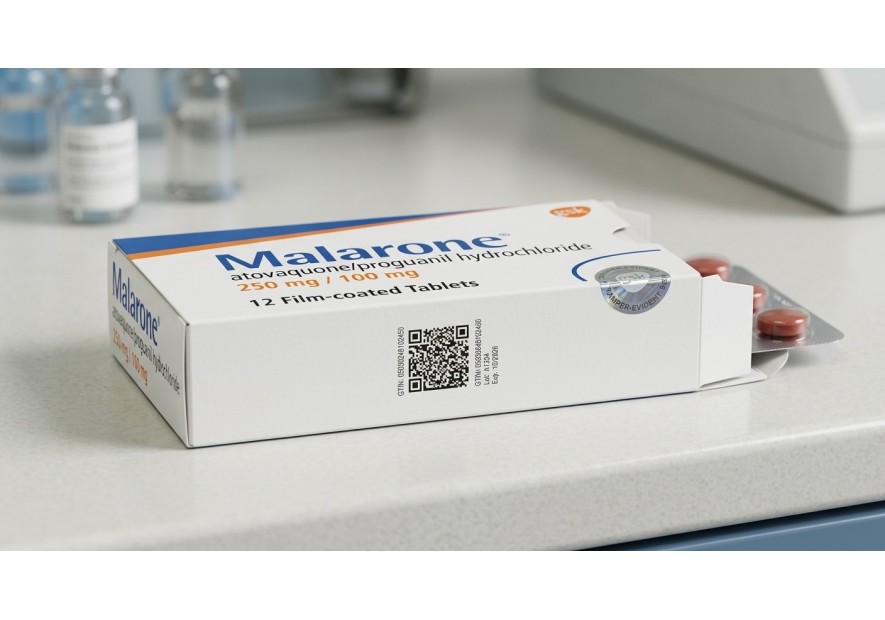
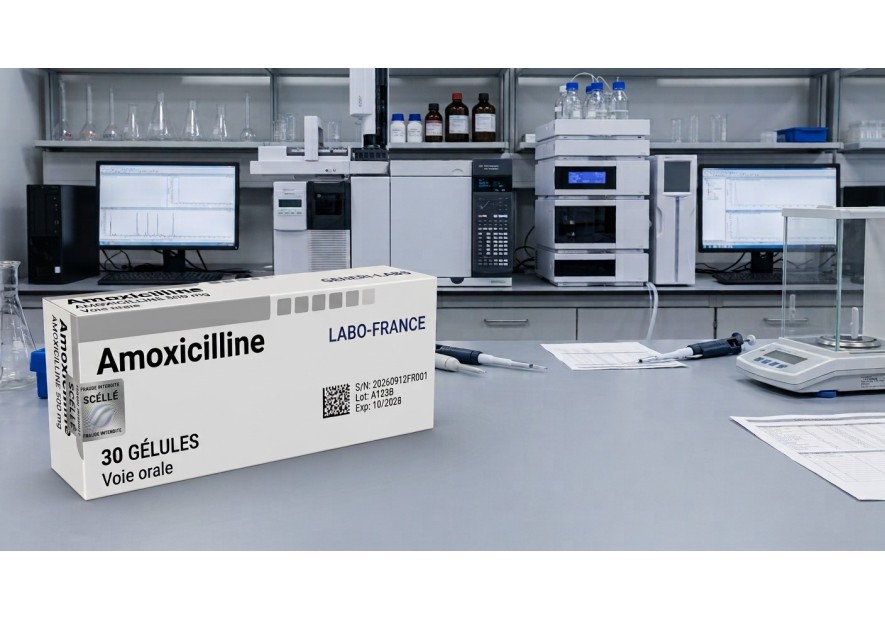
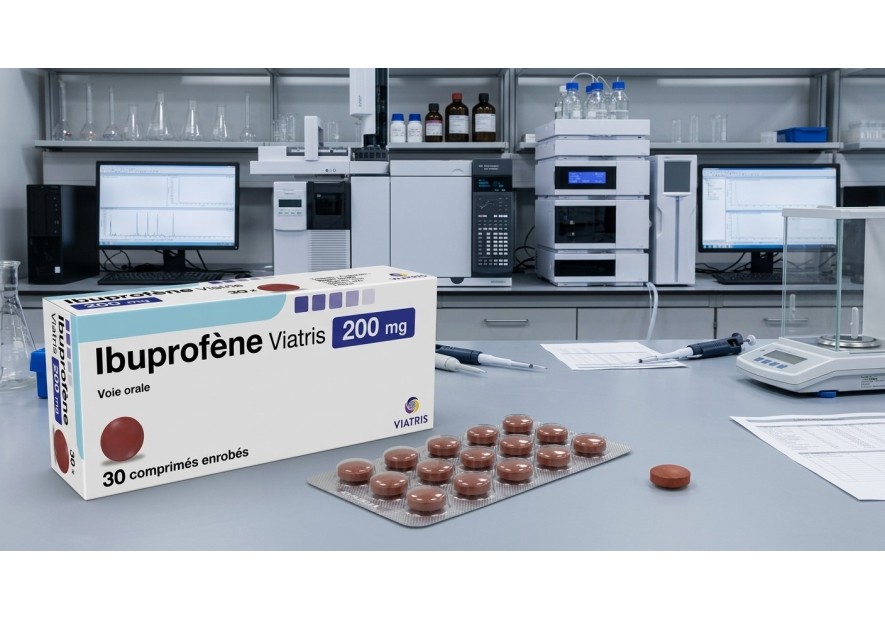
While counterfeit conventional drugs (such as certain antibiotics or antimalarial drugs) can sometimes be identified through a simple visual inspection or basic chemical tests, counterfeit GLP-1 drugs pose a formidable technical challenge to regulatory authorities.
A complex molecular structure
GLP-1 analogs are not ordinary synthetic small molecules; they are proteins (peptides). Their three-dimensional structure, folding, and amino acid sequence are of extreme biological complexity. To counterfeit the product, criminals often use inferior-quality peptides, diverted growth hormones, or pure insulin, which poses a life-threatening risk of hypoglycemic shock to the user.
Extensive and costly investigations
Routine laboratory tests are insufficient to scientifically prove that a GLP-1 injection pen is counterfeit or contains impurities. Compliance testing requires state-of-the-art protocols:
Formal detection requires the use of liquid chromatography coupled with mass spectrometry (LC-MS).
This technology first separates the components of the sample (chromatography) and then identifies the molecular weight and exact sequence of the peptide with absolute precision (spectrometry).
Access to such equipment requires highly specialized infrastructure and qualified personnel, making quality control analyses particularly costly and time-consuming to carry out. This technological barrier gives counterfeiters a temporary head start, slowing the pace of seizures and judicial confirmations on an international scale.
The fight against counterfeit GLP-1 medications therefore requires a comprehensive response: educating patients about the dangers of parallel procurement channels, combined with increased funding for hospitals and customs agencies to finance the high-tech analyses that are essential to everyone’s safety.

Leave a comment