
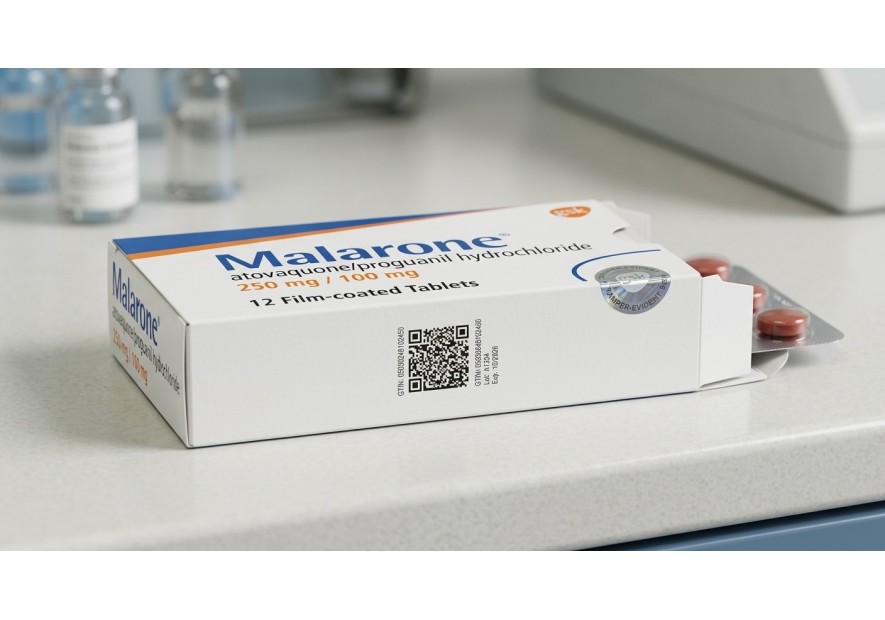
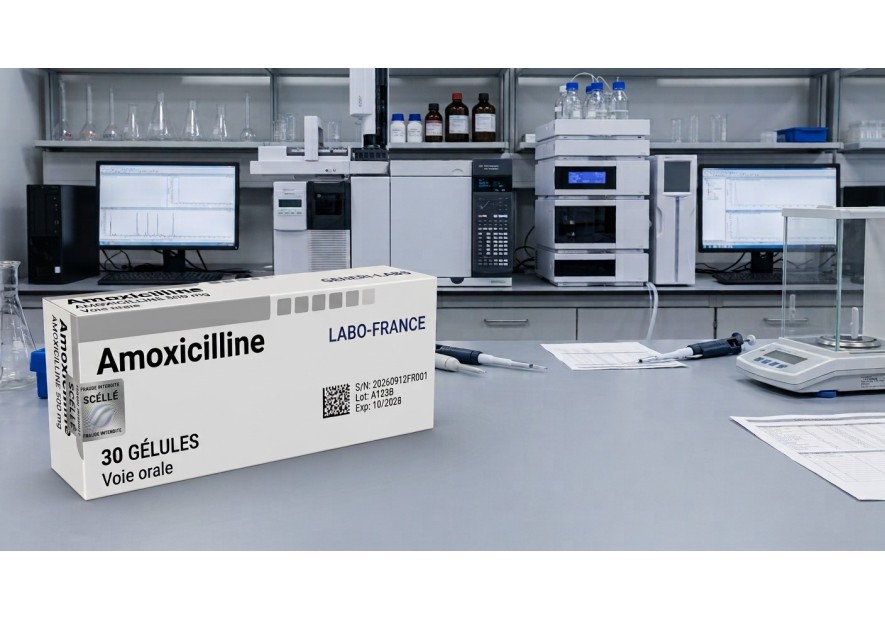
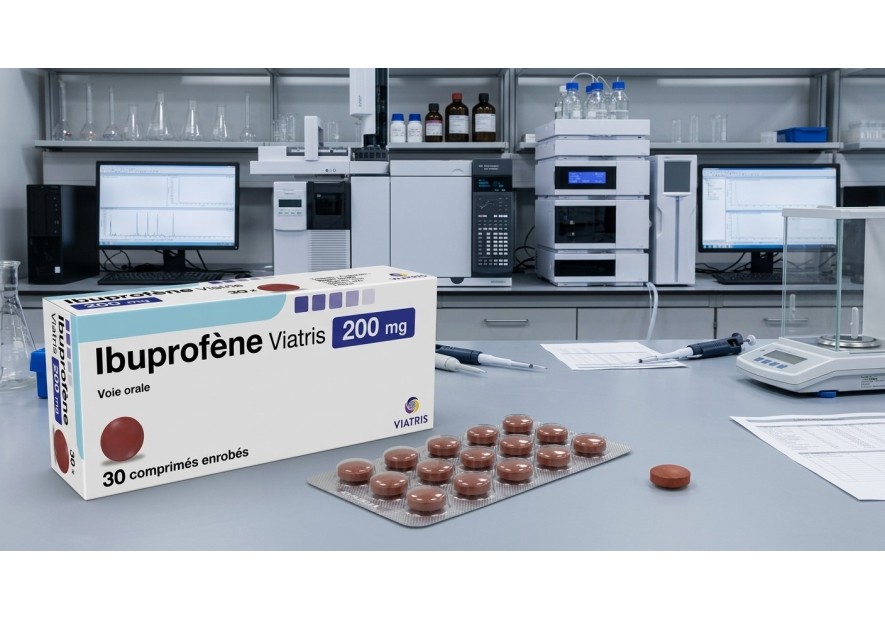
Operation Pangea XVIII: A Global Crackdown on Illicit Drug Trafficking
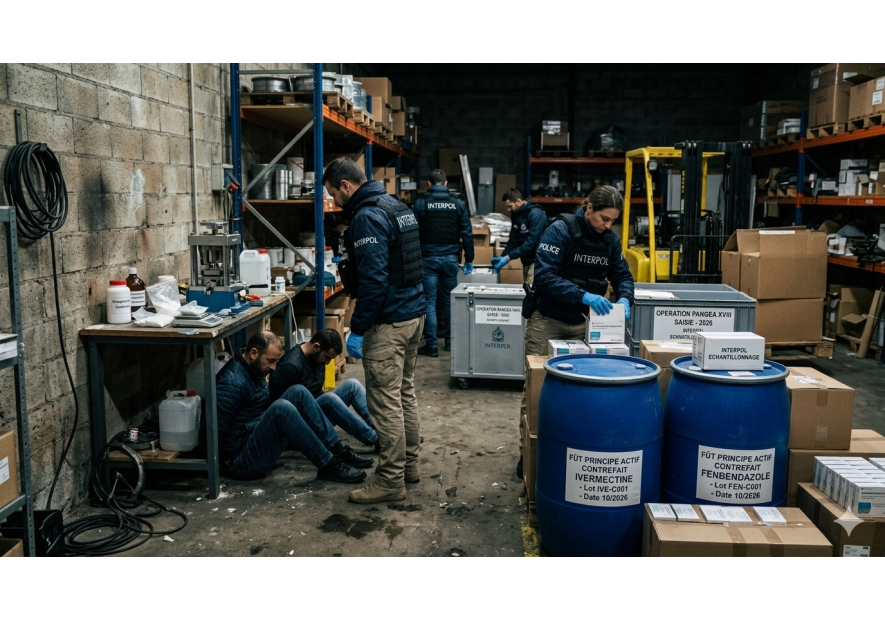
The trade in counterfeit and unauthorized medical products has reached a new level of danger. Coordinated by INTERPOL across 90 countries and territories, Operation Pangea XVIII (conducted from March 10 to 23, 2026) resulted in a record seizure of 6.42 million doses of illicit drugs, with an estimated value of $15.5 million. This unprecedented mobilization led to the dismantling of 66 criminal groups and the arrest of 269 individuals. But beyond the numbers, this operation highlights a disturbing reality: traffickers are now exploiting social media and artificial intelligence to flood the market with unregulated substances, ranging from purported cancer treatments to weight-loss products.
The Resurgence of Antiparasitic Drugs and the Illusion of Cancer Treatment
One of the key findings of Operation Pangea XVIII is the dramatic increase in seizures of antiparasitic drugs. These substances, which were already in the spotlight during the COVID-19 pandemic, are being aggressively promoted online as "alternative treatments" for cancer, without any scientific evidence.
The main active ingredients: Fenbendazole and Ivermectin
Criminals are selling "cancer treatment kits" that mainly contain:
Fenbendazole: A deworming medication strictly for veterinary use.
Ivermectin: Used in humans to treat certain parasitic infections, but used here for a purpose other than its approved indication.
Often labeled as mere "dietary supplements" to circumvent regulations, these products are sold without any guarantee of purity. Countries such as the United States, the United Kingdom, Australia, and Singapore have reported massive seizures of these substances.
"Lifestyle" drugs and peptide scams
Demand for products related to physical performance and aesthetics continues to fuel sophisticated criminal networks. During Operation Pangea XVIII, anabolic steroids remained the dominant category, with more than 86,000 doses seized.
The dangers of new peptides and GLP-1
Research peptides: Marketed for muscle growth or fat loss, these synthetic substances are sold under the label "research chemicals" to circumvent regulatory controls. No human safety standards are met.
GLP-1 medications (Semaglutide and Tirzepatide): Originally intended for diabetes, these products are in high demand for weight loss. In Thailand, hundreds of vials have been seized from cosmetic clinics. Even more seriously, some of the illicit versions tested contained sibutramine, a banned substance because it drastically increases the risk of heart attacks and strokes.
Africa: The Trafficking of Essential Medicines
Unlike Western countries, which tend to focus on "lifestyle," the seizures made in the 12 African countries participating in Operation Pangea XVIII involve essential goods.
In Africa, criminal networks are targeting essential medicines
Antibiotics and antimalarial drugs: Thousands of bottles of counterfeit medications were seized in Cameroon and Burkina Faso (384,000 antibiotic capsules seized).
Painkillers: In Ivory Coast, a ton of counterfeit ibuprofen was discovered in a single vehicle.
These products are often expired, improperly stored, or devoid of any active ingredients, depriving people of effective treatment and contributing to the emergence of deadly microbial resistance.
Commodity Fraud: The Cases of Bangladesh and Bulgaria
The ingenuity of traffickers knows no bounds. In Bangladesh, authorities intercepted 5 tons of raw materials in a warehouse. Drums containing antibiotics and anti-inflammatory drugs were falsely labeled as "dicalcium phosphate" (a common excipient) to pass through customs undetected. Meanwhile, in Bulgaria, a fully operational clandestine steroid production lab was dismantled, revealing millions of pills and vials ready for export.
Pharmanalyse: Ensuring the Safety of Products from Operation Pangea XVIII
Given the sophistication of counterfeiters exposed by Operation Pangea XVIII, visual inspection has become obsolete. Pharmanalyse offers a technical expertise solution to turn doubt into scientific certainty.
HPLC-UV expertise in the service of safety
To ensure the authenticity of a medication, whether it comes from a seizure or an online purchase, we use High-Performance Liquid Chromatography (HPLC-UV). This method allows us to:
- Identify the molecule: Verify that the product actually contains the stated active ingredient (e.g., semaglutide) and not a banned substance such as sibutramine.
- Quantify the dosage: Detect underdosing, which is common in antibiotics seized in Africa.
- Identify impurities: Detect residues of solvents or heavy metals originating from clandestine laboratories, such as those dismantled in Bulgaria.
Thanks to our platform, which is just a few clicks away, NGOs, pharmacies, and individuals can have their samples tested to ensure they are not collateral victims of these criminal networks.
Constant vigilance is required
The results of Operation Pangea XVIII demonstrate that pharmaceutical crime is a global and evolving threat. Whether it involves essential medicines or over-the-counter products, the risk of counterfeiting is ever-present once you step outside regulated channels. Science remains your best defense: never use a product whose origin or quality has not been certified by an independent laboratory.
Do you have concerns about a batch of medication or want to ensure a reliable supply? Contact Pharmanalyse for certified expertise.

Ibuprofen - Advil - Nurofen - Motrin - Spedifen Analysis Ibuprofen - Advil - Nurofen - Motrin - Spedifen Analysis
Laboratory analysis of drugs to certify the presence and measure the quantity of Ibuprofen. The level of uncertainty of the Ibuprofen content analysis depends on the declination selected (Standard <20%, Precise <10% or Regulatory <5%). Follow the instructions to send your drug to our...
Price €99.00
Check My Med - Participatory Science Check My Med - Participatory Science
Join Pharmanalyse in the fight against counterfeit and illegal drugs! Order our drug analysis and contribute to knowledge about the quality of medicines on the market. Our laboratory analyzes your drug, studies the data and publishes the results in a summary report accessible to the public....
Price €49.00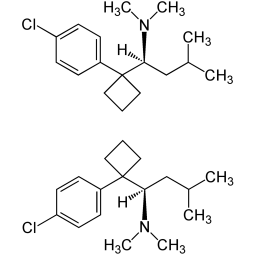
Sibutramine - Reductil - Meridia - Sibutral Analysis Sibutramine - Reductil - Meridia - Sibutral Analysis
Laboratory analysis of drugs to certify the presence of sibutramine and measure the quantity of this active ingredient. The level of uncertainty of the sibutramine content analysis depends on the declination selected (Standard <20%, Precise <10% or Regulatory <5%). Follow the...
Price €199.00
Ivermectine - Stromectole - Mectizan - Soolantra - Ivergalen Analysis Ivermectine - Stromectole - Mectizan - Soolantra - Ivergalen Analysis
Laboratory analysis of a drug to confirm the presence of ivermectin and measure its concentration. The level of uncertainty in the analysis of ivermectin content depends on the selected tolerance level (Standard <20%, Precise <10%, or Regulatory <5%). Follow the instructions to send your...
Price €199.00

Fenbendazole - Panacur - Fenben - Safe Guard - Fenbenol - Fenbex Analysis Fenbendazole - Panacur - Fenben - Safe Guard - Fenbenol - Fenbex Analysis
Laboratory drug analysis to confirm the presence of fenbendazole and measure the amount of fenbendazole. The level of uncertainty in the fenbendazole content analysis depends on the selected specification (Standard <20%, Precise <10%, or Regulatory <5%). Follow the instructions to send...
Price €199.00
Leave a comment