
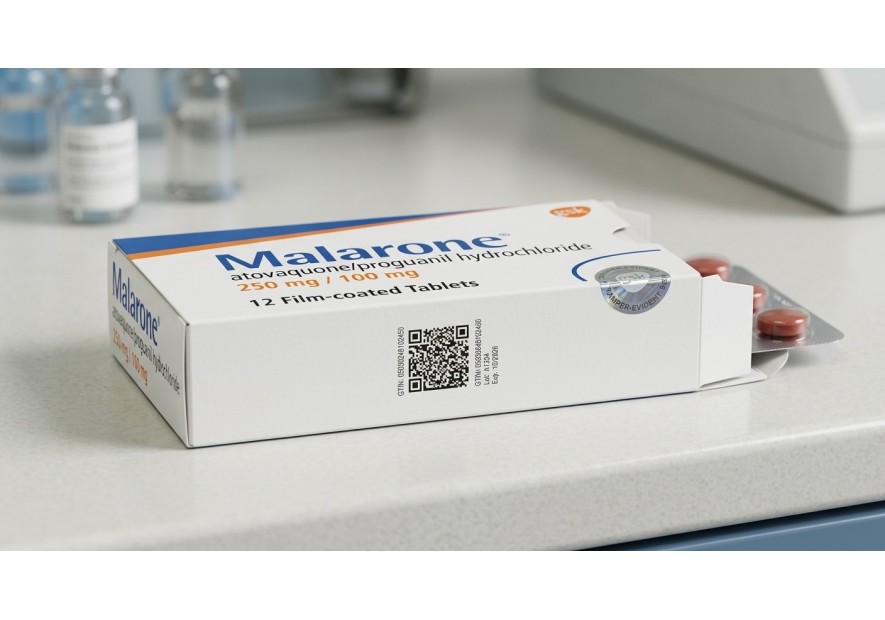
Malaria Treatment: The Importance of Laboratory Analysis of Lumefantrine
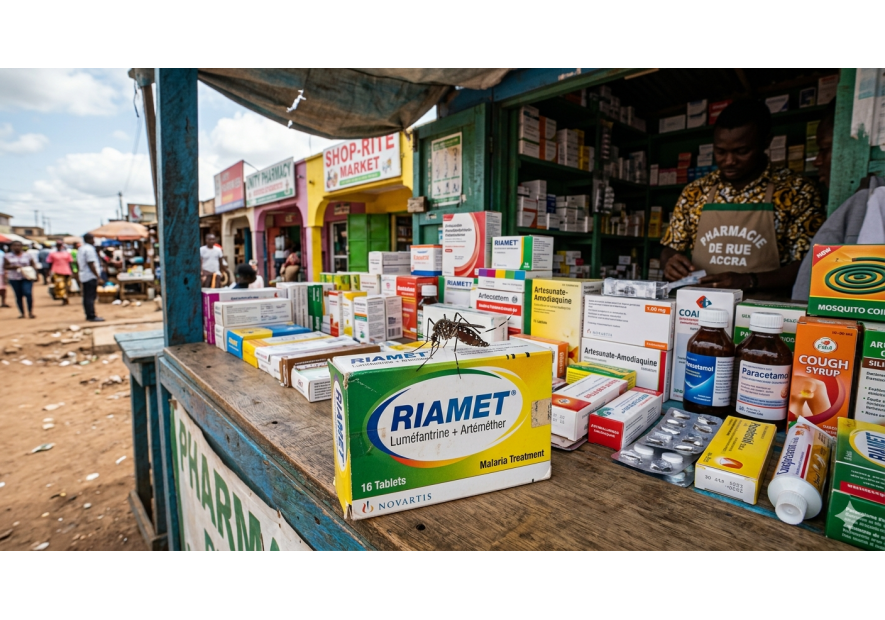
Malaria remains one of the deadliest diseases in the world, disproportionately affecting the African continent. To combat this scourge, artemisinin-based combination therapies (ACTs) are the first line of defense recommended by the World Health Organization. Among these combinations, the artemether-lumefantrine regimen is the most widely distributed treatment.
However, this vital importance makes them a prime target for criminal networks. As revealed by INTERPOL’s Operation Pangea XVIII, trafficking in counterfeit or underdosed essential medicines and antimalarial drugs is on the rise. In this context of high-tech counterfeiting, laboratory analysis of lumefantrine is the only way to guarantee the authenticity and therapeutic potency of the treatment.
What is lumefantrine, and how does it work?
Lumefantrine is a synthetic antimalarial drug belonging to the aryl alcohol family.
A complementary mechanism of action
In standard treatment regimens, lumefantrine is always combined with artemether. Their roles are complementary:
- Artemether: Acts almost immediately to eliminate the vast majority of parasites (Plasmodium falciparum) present in the blood within the first few hours.
- Lumefantrine: Has a much longer half-life (several days). It remains in the body for an extended period to eliminate any remaining parasites and prevent relapses.
If lumefantrine is absent, degraded, or underdosed, the treatment fails and the parasite may develop a lethal resistance to the drug.
The Risks of Counterfeit Antimalarial Drugs on the Market
Parallel distribution networks and illegal online pharmacies are taking advantage of drug shortages to sell counterfeit medications. Analyses of customs seizures reveal serious abuses.
Criminal underdosing: To save on imported chemical raw materials, counterfeiters reduce the amount of active ingredient. A tablet that is supposed to contain 120 mg of lumefantrine sometimes contains as little as 20 mg. This is insufficient to cure the infection, but ideal for desensitizing the parasite and creating resistant strains.
Total substitution (placebo): Replacing the antimalarial drug with starch or colored chalk. The patient believes they are being treated, while the infection progresses to severe (neurological) malaria, which is often fatal if left untreated.
Deterioration due to storage: Even a genuine product can become toxic or ineffective if it has been stored in unregulated warehouses exposed to high temperatures and humidity, which can compromise its molecular stability.
Pharmanalyse's expertise: laboratory analysis of lumefantrine using HPLC-UV
When faced with visually perfect counterfeits (sealed blister packs, official logos reproduced identically), only physicochemical validation is conclusive. Pharmanalyse offers a rigorous testing protocol based on High-Performance Liquid Chromatography (HPLC-UV).
Laboratory analysis of lumefantrine validates three safety criteria:
- Molecule authentication: By measuring retention time and comparing the UV spectrum, the laboratory certifies that the molecule present is indeed lumefantrine.
- Exact quantification: Precise determination of concentration to the nearest milligram to eliminate any risk of underdosing.
- Detection of degradation products: Identification of chemical impurities formed during improper synthesis or non-compliant storage.
- The safety reflex: You don’t check the quality of a parachute after you’ve jumped. The same applies to an antimalarial drug: laboratory testing must take place before distribution to patients.
A service dedicated to healthcare and humanitarian workers
Pharmanalyse's online platform simplifies quality control procedures. Our laboratory analysis of lumefantrine meets the safety requirements of several organizations:
- Non-Governmental Organizations (NGOs): To validate batches of antimalarial drugs before their distribution during humanitarian missions in endemic areas.
- Pharmaceutical importers and distributors: To audit the reliability of international suppliers and ensure their legal liability.
- Customs and regulatory authorities: To obtain a rapid analysis report following seizures of suspicious shipments at borders or in commercial ports.
Scientific certainty in the service of life
Malaria remains a mass killer, but counterfeit medicines are just as deadly. In the face of the cynicism of criminal networks exposed by Operation Pangea XVIII, scientific counter-analysis is the only effective defense. By entrusting your samples to Pharmanalyse, you are choosing absolute transparency and certified quality control to ensure the effectiveness of treatments and save lives.

Artemether - Coartem - Riamet - Paluther - Artefan Analysis Artemether - Coartem - Riamet - Paluther - Artefan Analysis
Laboratory analysis of drugs to certify the presence of Artemether and measure the quantity of Artemether. The level of uncertainty of the Artemether content analysis depends on the declination selected (Standard <20%, Precise <10% or Regulatory <5%). Follow the instructions to send your...
Price €349.00
Check My Med - Participatory Science Check My Med - Participatory Science
Join Pharmanalyse in the fight against counterfeit and illegal drugs! Order our drug analysis and contribute to knowledge about the quality of medicines on the market. Our laboratory analyzes your drug, studies the data and publishes the results in a summary report accessible to the public....
Price €49.00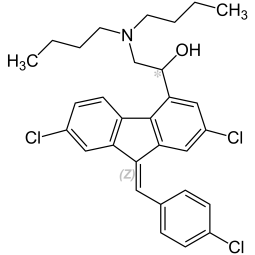

Lumefantrine - Coartem - Riamet Analysis Lumefantrine - Coartem - Riamet Analysis
Laboratory analysis of drugs to certify the presence of Lumefantrine and measure the amount of Lumefantrine. The level of uncertainty of the Lumefantrine content analysis depends on the declination selected (Standard <20%, Precise <10% or Regulatory <5%). Follow the instructions to send...
Price €149.00
Leave a comment