
Data Matrix and Counterfeit Medicines: The Traceability Revolution
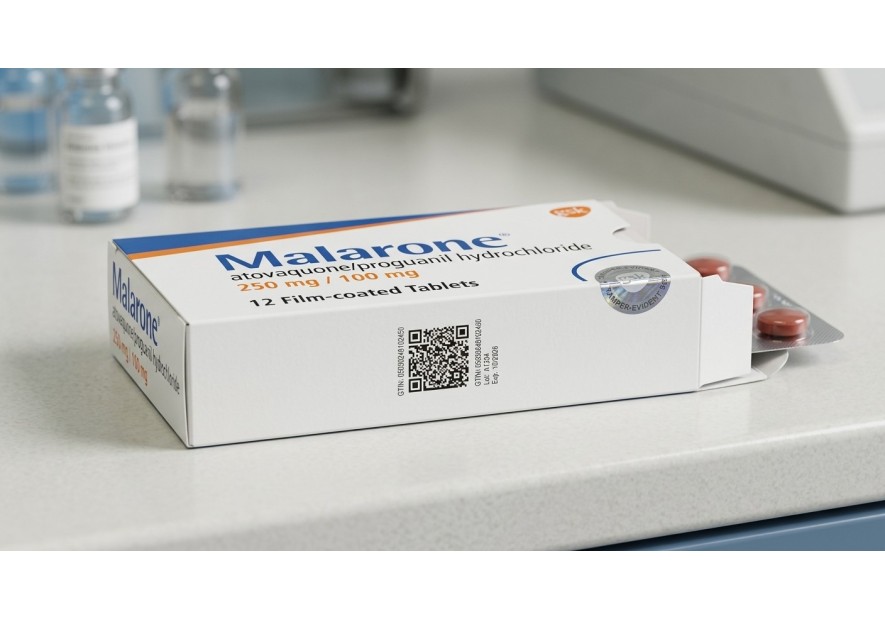
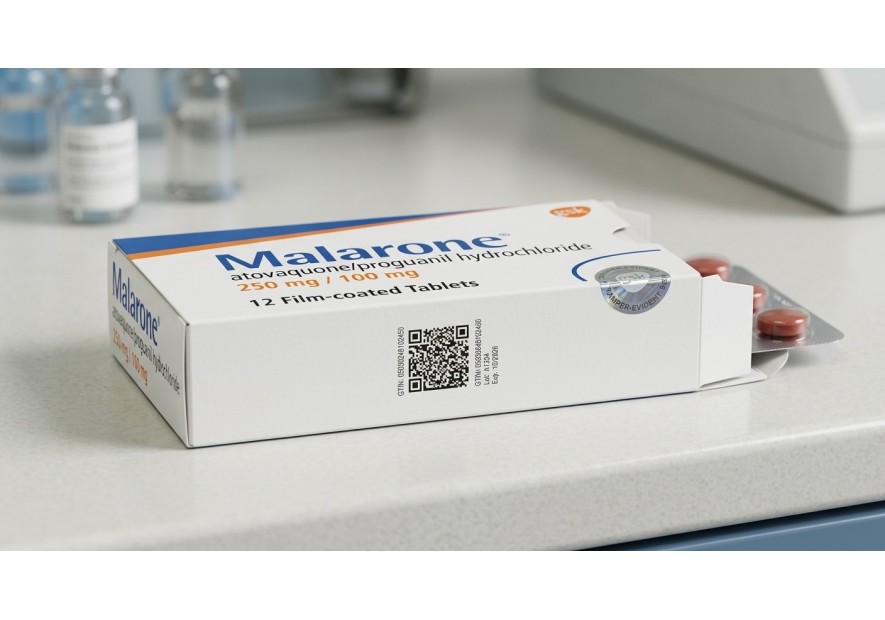
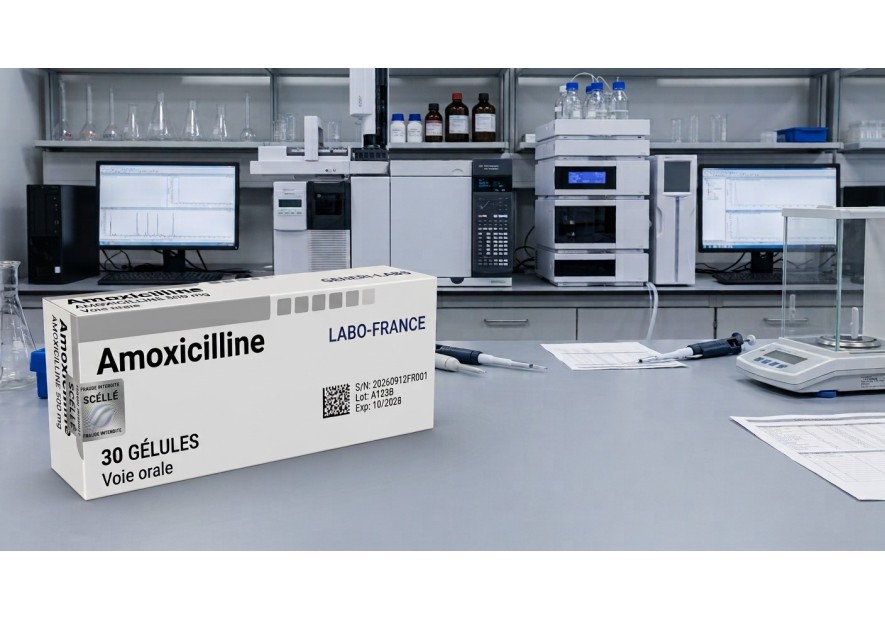
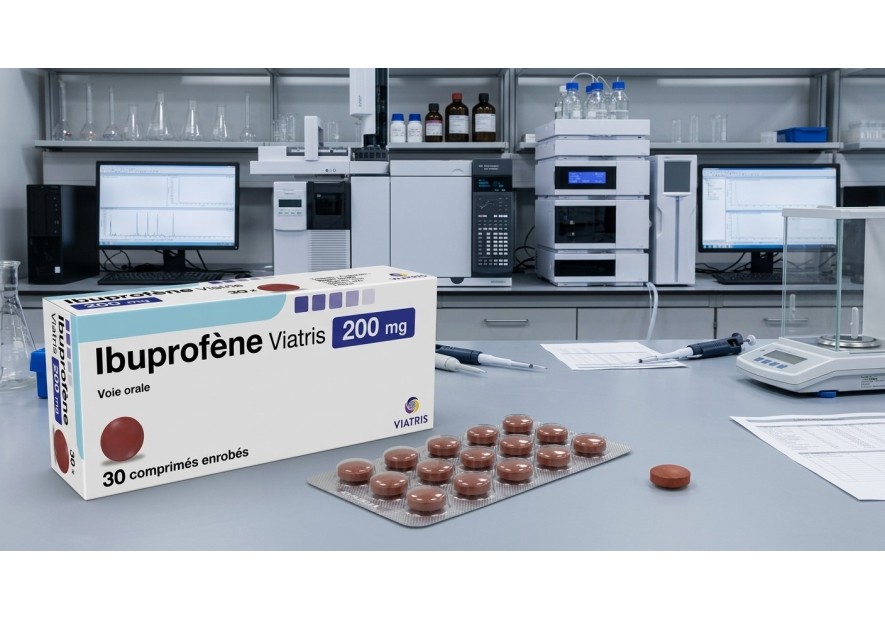
In the fight against drug trafficking, technology has become the patient’s first line of defense. The use of Data Matrix codes is central to this security strategy, enabling seamless traceability of the medication package from the manufacturing site all the way to dispensing at the pharmacy.
Understanding the Issues: Counterfeit Medicines vs. Data Matrix
What is a counterfeit drug?
According to the WHO, a counterfeit medicine is a product that is deliberately misrepresented regarding its identity, composition, or source. These may include medicines that contain no active ingredient, are dangerously underdosed, or contain toxic substances. These products are not only ineffective—they pose a deadly threat to public health.
What is a Data Matrix?
The Data Matrix is a two-dimensional (2D) barcode capable of storing a large amount of information in a very small space. Unlike traditional linear barcodes, it can be read even if it is partially damaged. In the pharmaceutical industry, it contains four essential pieces of information:
- The product code (the box's unique identifier).
- The serial number (unique for each box).
- The lot number.
- The expiration date.
How Datamatrix Thwarts Counterfeiting
The Data Matrix code transforms each box of medication into a unique, traceable, and verifiable unit:
- Serialization: During manufacturing, each box is assigned a unique code generated by the manufacturer.
- Registration: This code is stored in a secure database (such as the European EMVS system).
- Verification (Point of Dispensing): At the pharmacy, the pharmacist scans the code. The system queries the database: if the code is unknown, has already been used, or is reported as stolen, an alert is triggered immediately. The medication cannot then be dispensed.
This technology makes it extremely difficult to reintroduce counterfeit boxes into the legal distribution chain, since a counterfeiter cannot generate valid codes that match those in the official database.
The Pharmaceutical Industry at the Forefront of the Fight Against Counterfeit Drugs
The implementation of this technology is the result of massive investment by global leaders. The companies that have most successfully integrated serialization and verification using Datamatrix include:
- Sanofi: Strongly committed to the global rollout of traceability, particularly for its essential medicines distributed across several continents.
- Novartis: A pioneer in the use of integrated traceability systems that enable instant verification of authenticity on a large scale.
- Pfizer: Is investing heavily in advanced serialization systems that combine Data Matrix codes and physical security features for its high-value treatments.
- Roche and GSK: These pharmaceutical companies have also been leaders in the early adoption of serialization standards, becoming benchmarks for supply chain security.
In conclusion, the combination of Datamatrix codes and counterfeit drugs symbolizes modern medicine’s efforts to protect itself. While the Datamatrix code alone cannot eradicate the trafficking of counterfeit drugs, it serves as an essential digital safeguard. It enables pharmacists to become the ultimate guardians of public health, ensuring that every patient receives a genuine and safe medication.


Check My Med - Participatory Science Check My Med - Participatory Science
Join Pharmanalyse in the fight against counterfeit and illegal drugs! Order our drug analysis and contribute to knowledge about the quality of medicines on the market. Our laboratory analyzes your drug, studies the data and publishes the results in a summary report accessible to the public....
Price €49.00
Leave a comment