
What marking technologies can be used to ensure the safety of medications?
Faced with the scourge of counterfeit drugs, the pharmaceutical industry is no longer content with simple visual inspections. It is deploying a multi-layered technological arsenal that combines precision digital marking with tamper-proof physical security features.
Serialization: The Cornerstone of Digital Technology
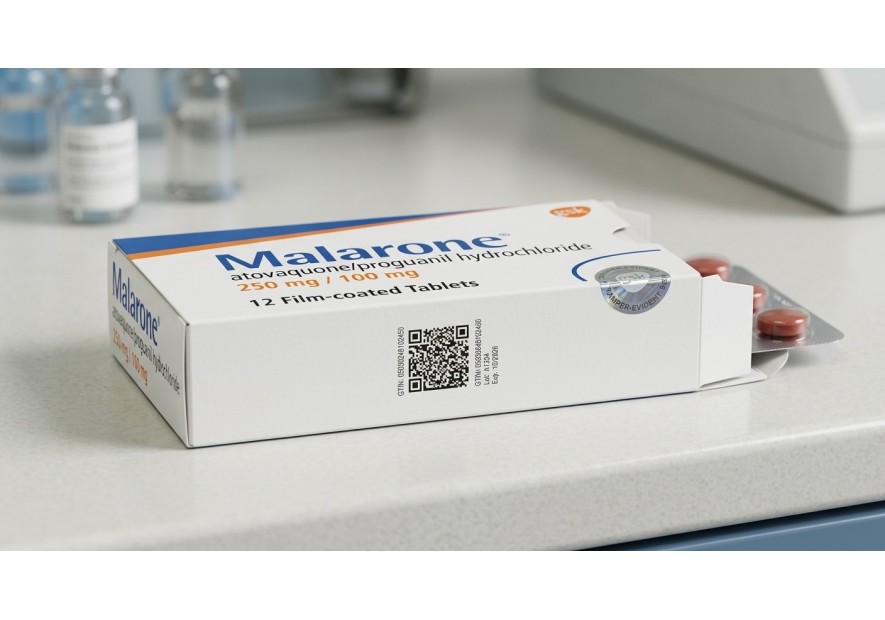
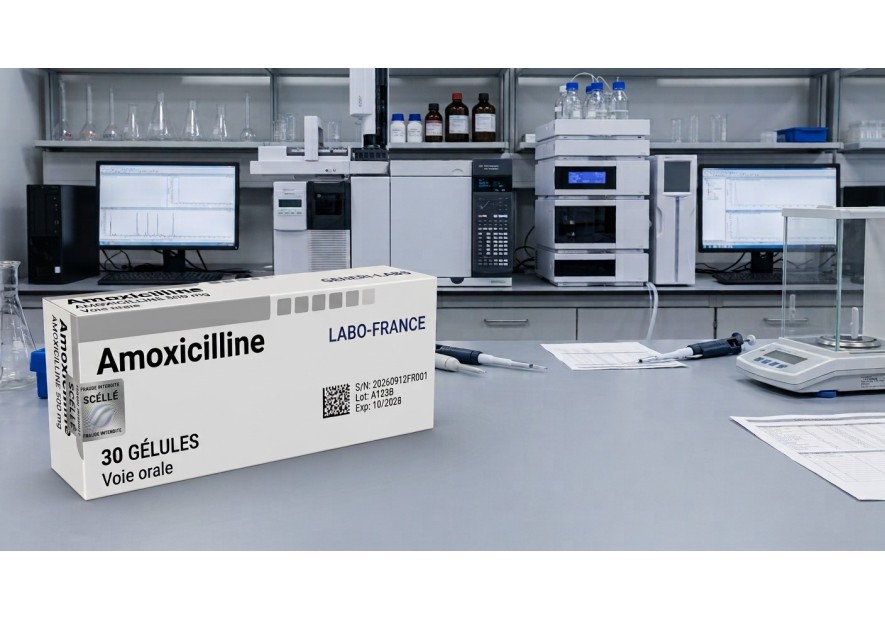
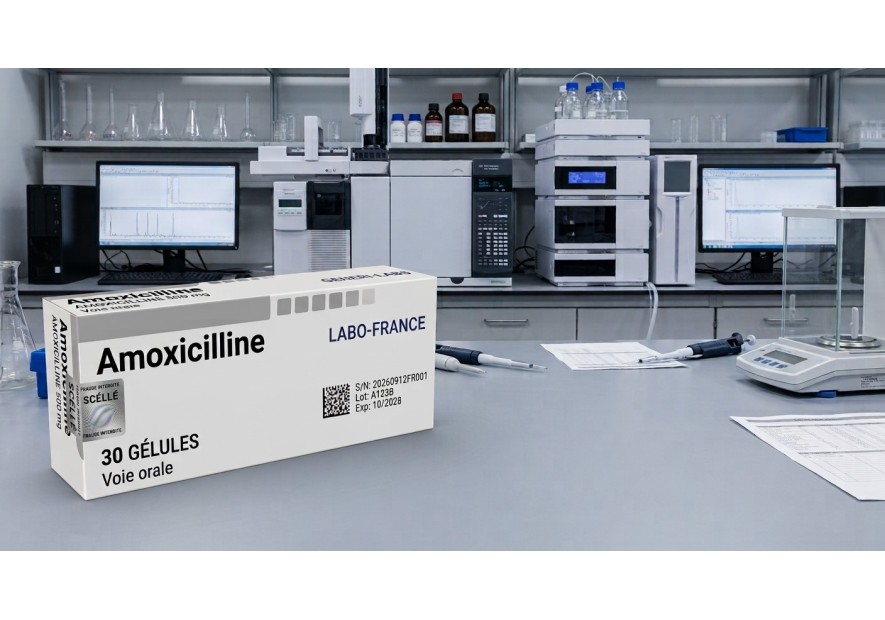
Serialization is now the regulatory standard (particularly in Europe). It involves assigning a unique digital identifier to each package of medication.
Data Matrix Code: This 2D barcode contains a unique identifier (UI) that includes the serial number, product code, lot number, and expiration date. It is scanned at every stage of the distribution chain, up to the point of dispensing to the patient, to verify its authenticity against a centralized database.
Blockchain: This technology, which is being explored more and more, enables the creation of a distributed, immutable ledger. Every transfer of ownership of a medication is recorded, making it impossible for counterfeit products to be reintroduced into the legal supply chain undetected.
Tamper-Evident Devices
Labeling is not just for identification; it must also prove that the product has not been opened.
Self-destructing labels: These labels are designed to tear, shatter, or change color irreversibly when someone attempts to open them.
Perforations and seals: Perforation lines or special adhesive seals ensure that any tampering with the contents is immediately visible to the pharmacist or the patient.
Physical and Forensic Marking Technologies
To combat counterfeiters capable of copying standard labels, laboratories use invisible or complex markers:
Molecular tracers and security inks: Integrated directly into the packaging material or printing ink, these tracers are invisible to the naked eye. They can only be detected using specific sensors or readers (PocketLab, optical sensors), which makes counterfeiting extremely difficult.
Holograms and variable optical effects: These complex visual elements, which change appearance depending on the viewing angle, remain an effective barrier to rapid authentication by healthcare personnel.
Digital Fingerprints: Some solutions scan the microscopic texture of packaging or printing materials to create a unique "fingerprint," enabling the object to be authenticated with extreme precision.
Overview of Protection Solutions
| Type of Technology | Examples | Main Objective |
| Digital | Data Matrix, Blockchain | Traceability and Authenticity Verification |
| Physics | Tamper-proof labels | Proof of Unopened Status (Integrity) |
| Forensics | Molecular tracers, UV inks | Complex Authentication (Copy Protection) |
In the pharmaceutical industry, constant innovation is necessary to stay one step ahead of criminal networks. While technology is an indispensable tool, it is part of a comprehensive strategy that includes market surveillance and patient education.

Check My Med - Participatory Science Check My Med - Participatory Science
Join Pharmanalyse in the fight against counterfeit and illegal drugs! Order our drug analysis and contribute to knowledge about the quality of medicines on the market. Our laboratory analyzes your drug, studies the data and publishes the results in a summary report accessible to the public....
Price €49.00

Check My Stero - Participatory Science Check My Stero - Participatory Science
Join Pharmanalyse in studying the quality of steroids and anabolics. Order our analysis and contribute to knowledge about the quality of steroids and anabolics on the market. Our laboratory analyzes your anabolic steroid, studies the data and publishes the results in a summary report accessible...
Price €49.00
Leave a comment