
Counterfeit Medicines: A Global Threat to Public Health
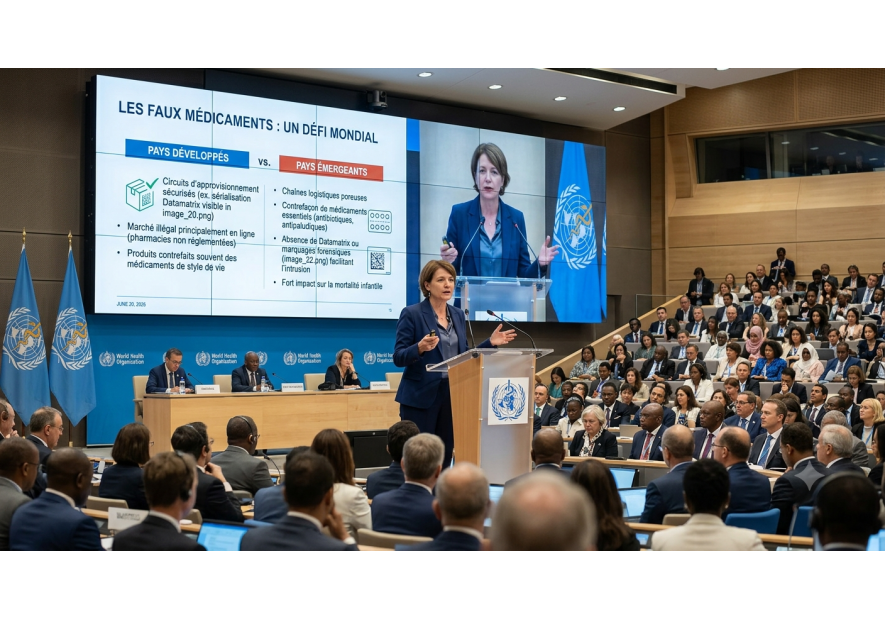
Counterfeit medicines have become one of the most lucrative and dangerous forms of illicit trade in the world. This trade, which impersonates essential health products, does more than just deceive consumers: it endangers human lives on a global scale.
WHO Definition: What Is a "Counterfeit Drug"?
The World Health Organization (WHO) uses the term "falsified medical products" to refer to products that are deliberately misrepresented in terms of their identity, composition, or origin.
A product is considered counterfeit if it:
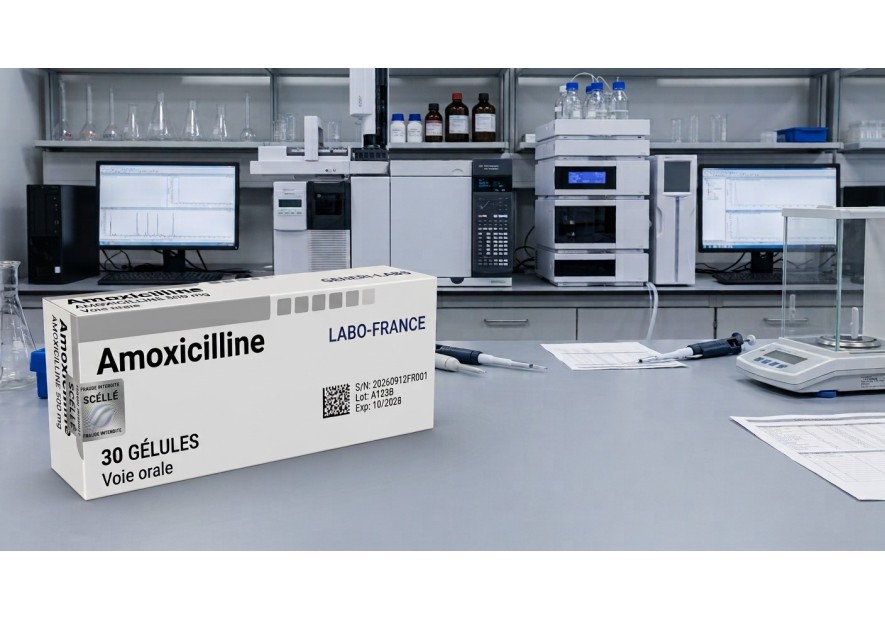
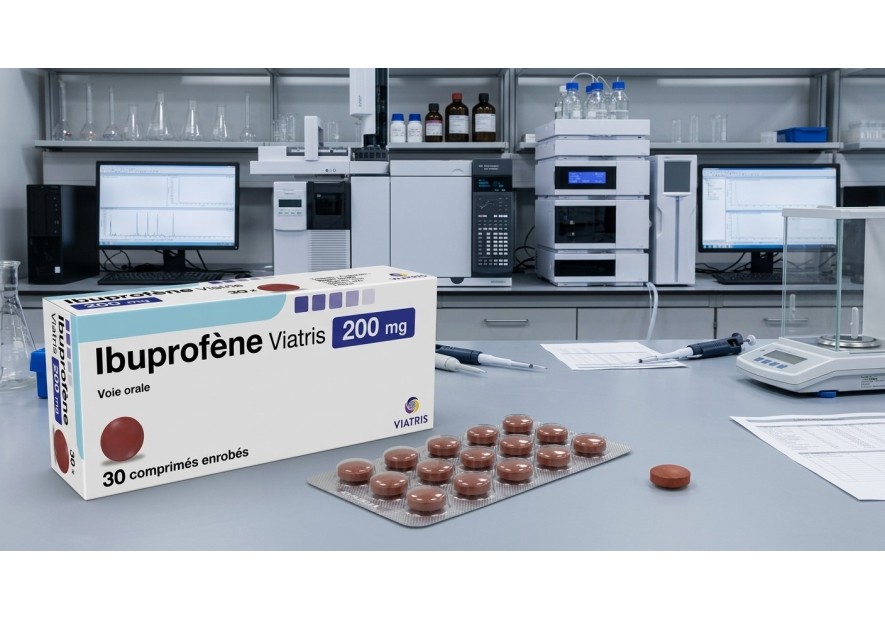
- Resembles a genuine medication (packaging, logo, blister pack).
- Contains the wrong ingredients (or no active ingredient at all).
- Contains the correct active ingredient but in an inappropriate amount (under-dosed or dangerously over-dosed).
- Has counterfeit packaging or a fraudulent source.
These products differ from "substandard" drugs, which are legitimate products that are defective due to poor manufacturing practices or improper storage.
Risks by Region
The danger posed by counterfeit medicines varies depending on the health and economic conditions of the target countries.
In developed countries
In industrialized nations, the official distribution channel is generally very secure. The risk stems mainly from online purchases made on illegal websites.
The risk: Patients believe they are buying a "discreet" or "cheaper" medication, but they are actually exposing themselves to products manufactured in clandestine workshops without any hygiene standards.
Consequences: Unanticipated side effects, dangerous interactions with other treatments the patient is taking, or simply a lack of therapeutic efficacy (loss of the chance of a cure).
In emerging countries
In these regions, traffic is often heavier and sometimes feeds directly into local distribution networks.
The risk: The prevalence of counterfeit medicines is much higher (ranging from 30% to 70% of products in circulation in some areas).
Consequences: Immediate life-threatening risks due to a lack of treatment for serious diseases (malaria, tuberculosis, HIV), widespread development of antibiotic resistance caused by underdosed antibiotics, and high mortality rates due to a lack of effective care.
Principaux médicaments cibles par type de pays
Criminal networks tailor their products to local needs and healthcare systems:
| Target | Developed countries | Emerging economies |
| Product Profile | "Lifestyle" and comfort | Infectious Diseases and Serious Conditions |
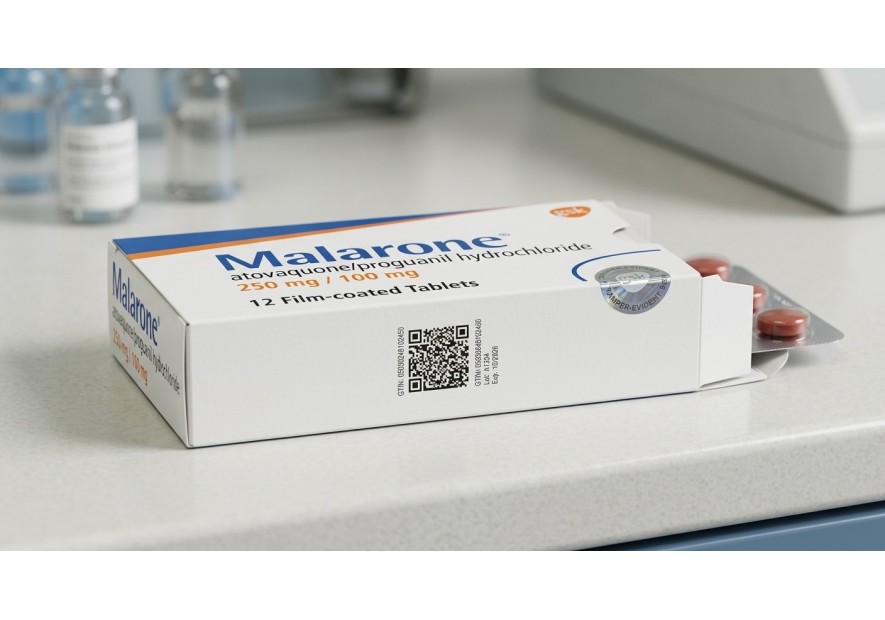
| Examples | Erectile dysfunction, weight-loss products, performance-enhancing drugs, pain relievers. | Antimalarials, antibiotics, vaccines, antiretrovirals (HIV), antituberculosis drugs. |
In developed countries, criminals often target products that are not covered by insurance or that require a certain degree of discretion. In emerging countries, they exploit the lack of access to essential medicines for the deadliest diseases.
Don't risk your health on an illusion
The fight against counterfeit medicines is everyone’s responsibility. Today’s counterfeits are so sophisticated that visual inspection is no longer sufficient. Whether you live in a developed or emerging country, if you have any doubts about the origin or quality of a medication, do not take it. Science—through certified laboratory testing—remains your only real protection against these dangerous products.
Do you have concerns about a medication whose origin seems suspicious? Order your HPLC-UV analysis now from the Pharmanalyse catalog to receive an expert report certified by our experts.
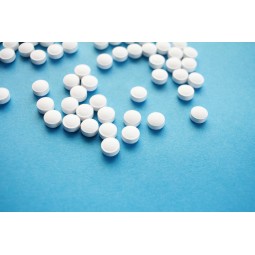
Check My Med - Participatory Science Check My Med - Participatory Science
Join Pharmanalyse in the fight against counterfeit and illegal drugs! Order our drug analysis and contribute to knowledge about the quality of medicines on the market. Our laboratory analyzes your drug, studies the data and publishes the results in a summary report accessible to the public....
Price €49.00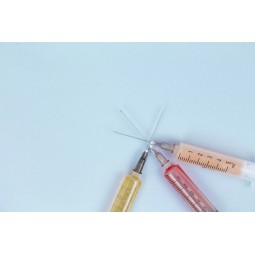

Check My Stero - Participatory Science Check My Stero - Participatory Science
Join Pharmanalyse in studying the quality of steroids and anabolics. Order our analysis and contribute to knowledge about the quality of steroids and anabolics on the market. Our laboratory analyzes your anabolic steroid, studies the data and publishes the results in a summary report accessible...
Price €49.00
Leave a comment