Drug Testing for NGOs: Protecting the Most Vulnerable Populations
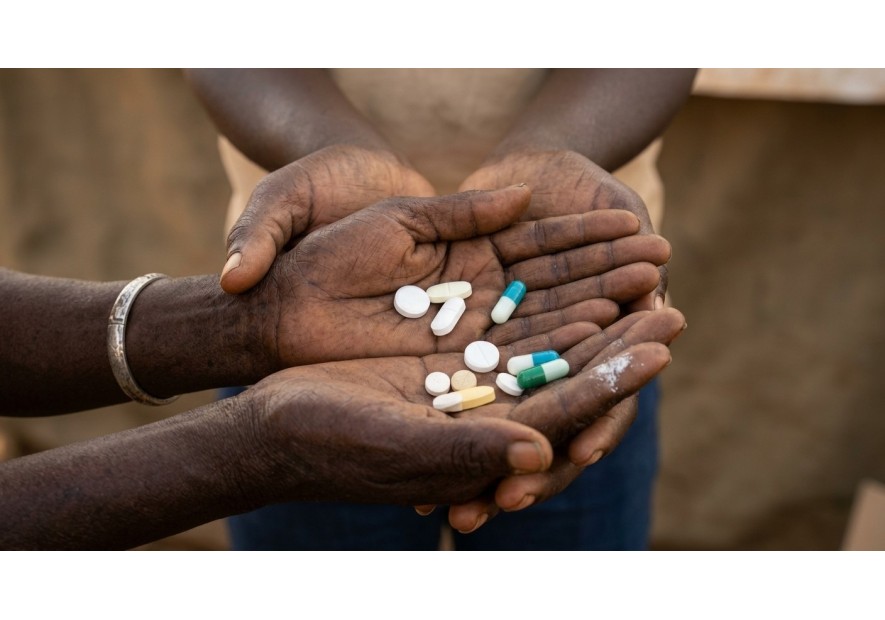
For nongovernmental organizations (NGOs) operating in areas where health care systems are fragile or nonexistent, medicine is a vital commodity. However, these organizations are often the primary targets of trafficking networks, which seek to sell counterfeit or substandard products into already saturated humanitarian supply chains. Drug testing for NGOs is an essential safety measure to ensure that the aid provided actually saves lives.
The Specific Challenges of Humanitarian Aid
In the field, NGOs face unique logistical and health challenges:
Product degradation: Transport through areas with extreme climatic conditions (heat, humidity, breaks in the cold chain) often affects the chemical stability of medications.
Risk of criminal infiltration: Local counterfeiting networks are taking advantage of the chaos to smuggle counterfeit goods into humanitarian supplies.
Serious clinical consequences: Administering an underdosed antibiotic or an ineffective antimalarial drug not only leads to treatment failure but also promotes the emergence of microbial resistance, which has catastrophic consequences for local public health.
Why Is Drug Analysis Essential for NGOs?
Drug testing for NGOs makes it possible to turn a suspicious shipment into a scientific certainty before the medication is administered to patients:
Post-receipt validation: Verify that donations or bulk purchases comply with the monographs of international pharmacopoeias (Ph. Eur., USP).
Rapid Fraud Detection: Immediately identify counterfeit tablets, which are often distributed in perfectly imitated packaging but contain dangerous chemical compositions.
Support for pharmacovigilance programs: In the event of unexpected adverse effects in the field, analysis helps confirm whether the problem stems from the product itself (impurities, incorrect dosage) or from a patient reaction.
Pharmanalyse's Approach: Nomadic Science
We recognize that NGOs operate under emergency conditions. Pharmanalyse adapts its expertise to support humanitarian needs:
Simplified Sampling Protocols: We provide methods for collecting representative samples from complex populations (emergency shelters, mobile hospitals).
Benchmark Technologies: Use of High-Performance Liquid Chromatography (HPLC-UV) for unmatched accuracy, even with products from lesser-known local manufacturers.
Decision-Support Reports: Our reports enable logistics and medical managers at NGOs to make quick decisions: whether to distribute, isolate, or destroy the stockpile.
A Lasting Impact on Public Health
Systematic analysis by an NGO does not merely serve to protect its own beneficiaries; it also plays a role in health monitoring:
Dismantling Networks: Your analysis reports serve as evidence for local and international health authorities to identify and cut off the supply chains for counterfeit medicines.
Building Trust: Showing local communities that the medicines distributed are tested using state-of-the-art methods increases adherence to healthcare programs.
Ethics Through Scientific Rigor
In humanitarian work, good intentions aren't enough: compliance is the first step toward compassion. Drug testing for NGOs is the technological foundation of your ethical commitment. Don't leave any doubt about the quality of your aid.
Do you represent an NGO and want to ensure the safety of your distribution programs? Our experts will help you implement quality control protocols tailored to your needs in the field. Order your drug analysis from the Pharmanalyse catalog, send your sample to the lab, and receive your expert report on the quality of the analyzed drug.
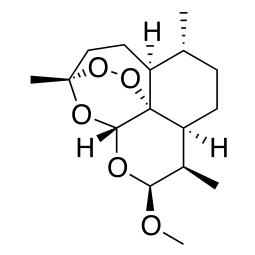
Artemether - Coartem - Riamet - Paluther - Artefan Analysis Artemether - Coartem - Riamet - Paluther - Artefan Analysis
Laboratory analysis of drugs to certify the presence of Artemether and measure the quantity of Artemether. The level of uncertainty of the Artemether content analysis depends on the declination selected (Standard <20%, Precise <10% or Regulatory <5%). Follow the instructions to send your...
Price €349.00
Check My Med - Participatory Science Check My Med - Participatory Science
Join Pharmanalyse in the fight against counterfeit and illegal drugs! Order our drug analysis and contribute to knowledge about the quality of medicines on the market. Our laboratory analyzes your drug, studies the data and publishes the results in a summary report accessible to the public....
Price €49.00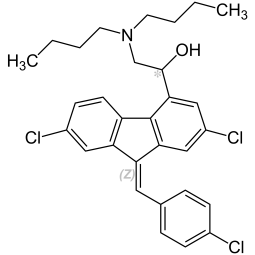

Lumefantrine - Coartem - Riamet Analysis Lumefantrine - Coartem - Riamet Analysis
Laboratory analysis of drugs to certify the presence of Lumefantrine and measure the amount of Lumefantrine. The level of uncertainty of the Lumefantrine content analysis depends on the declination selected (Standard <20%, Precise <10% or Regulatory <5%). Follow the instructions to send...
Price €149.00
Leave a comment