
The Public Health Crisis: How Can We Stop Counterfeit Drugs in Africa?
The African continent is facing one of the most critical health challenges in its modern history. While access to healthcare is improving, an invisible and deadly threat has infiltrated the very heart of pharmacies, hospitals, and street markets. The proliferation of counterfeit medicines in Africa is no longer just an economic or customs issue: it is a major humanitarian crisis.
According to recent data from international operations such as Pangea XVIII, led by INTERPOL, the trafficking of counterfeit or substandard medical products is overwhelmingly targeting life-saving treatments on the continent, turning hopes for recovery into health crises.
A Vulnerable Market: The Numbers Behind Systemic Vulnerability
To understand the extent of the circulation of counterfeit medicines in Africa, one must analyze the structure of a deeply unbalanced market. The continent finds itself in a situation of total dependence on external sources, compounded by critical gaps in oversight.
Disproportionate consumption: Africa accounts for nearly a quarter (25%) of global drug consumption, a figure linked to the high prevalence of infectious and parasitic diseases.
Extreme dependence on imports: More than 95% of the medicines consumed in Africa are imported, mainly from Asia (India, China) and Europe. Local production remains too limited to meet demand.
Overwhelmed customs oversight: Local regulatory authorities are only able to strictly monitor 5% to 10% of drug imports.
This massive regulatory loophole leaves the door wide open to underdosed, expired, or completely counterfeit products. This phenomenon is largely facilitated by porous borders, corruption among certain regulatory officials, and widespread use of parallel street markets, which are often better stocked and cheaper than legal pharmacies.
A fertile ground: between failing healthcare systems and financial insecurity
The persistence of counterfeit medicines in Africa cannot be explained solely by the ingenuity of criminal networks. It is rooted in structural failures within public health systems.
In many countries, healthcare facilities lack funding, trained staff, and reliable supply chains (such as maintaining the cold chain and storing supplies in a dry environment). Furthermore, medical coverage or health insurance is often nonexistent in these countries.
When a patient has to pay for their entire treatment out of pocket (*out-of-pocket expenditure*), price becomes the sole deciding factor. Between a genuine antibiotic sold at a pharmacy and a counterfeit version three times cheaper at a market stall, the choice is tragically dictated by poverty. Counterfeiters have fully understood this and exploit this financial distress.
The Blacklist: The Most Counterfeited Medicines on the Continent
Unlike in developed countries, where the black market focuses mainly on lifestyle products (weight loss, erectile dysfunction), counterfeit medicines in Africa involve drugs that are essential for survival.
Criminal networks primarily target:
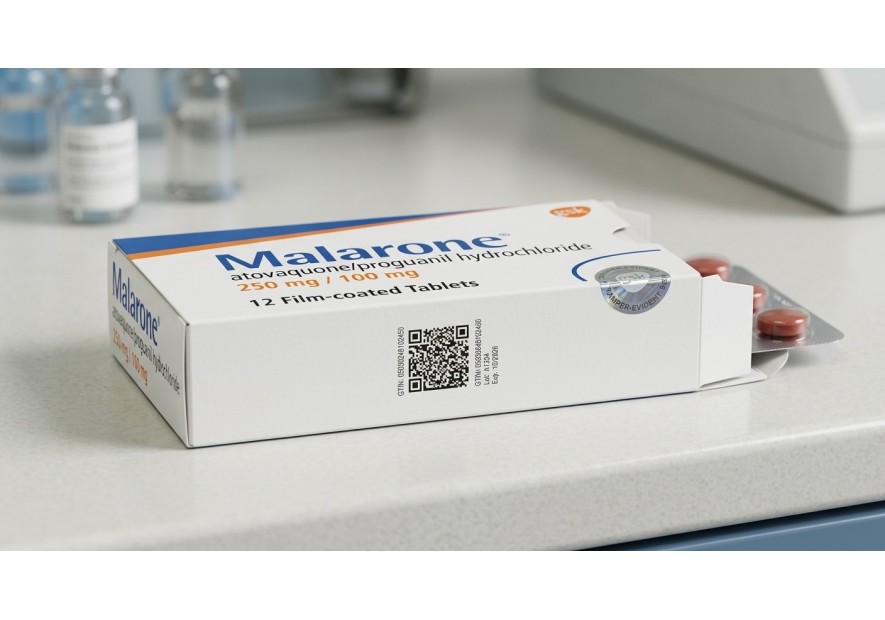
Antimalarial drugs: Treating malaria is the top priority. Counterfeit antimalarial drugs containing underdosed artemisinin are responsible for tens of thousands of preventable deaths each year.
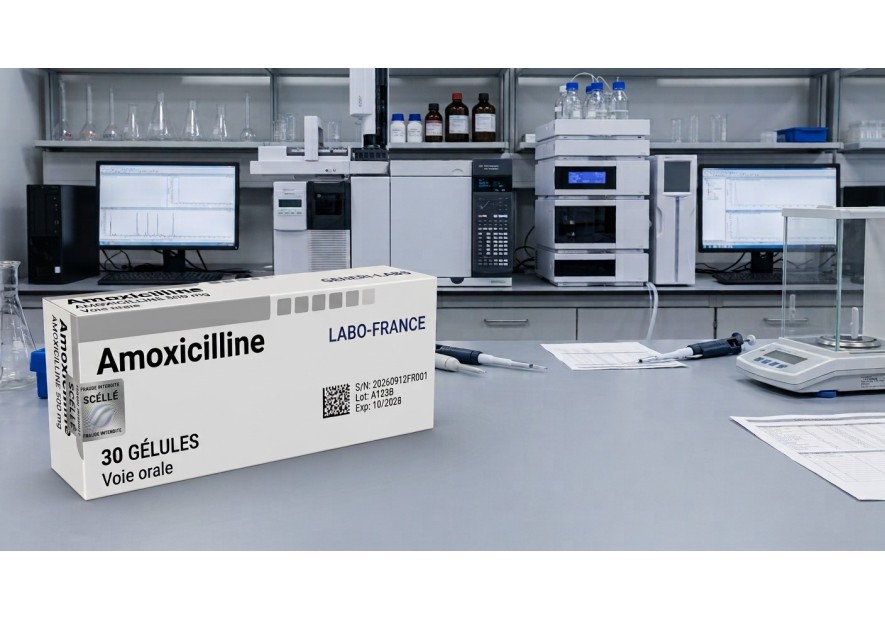
Antibiotics: Capsules containing plain flour or chalk instead of amoxicillin or ciprofloxacin, which can lead to serious infections and accelerate the development of antibiotic resistance.
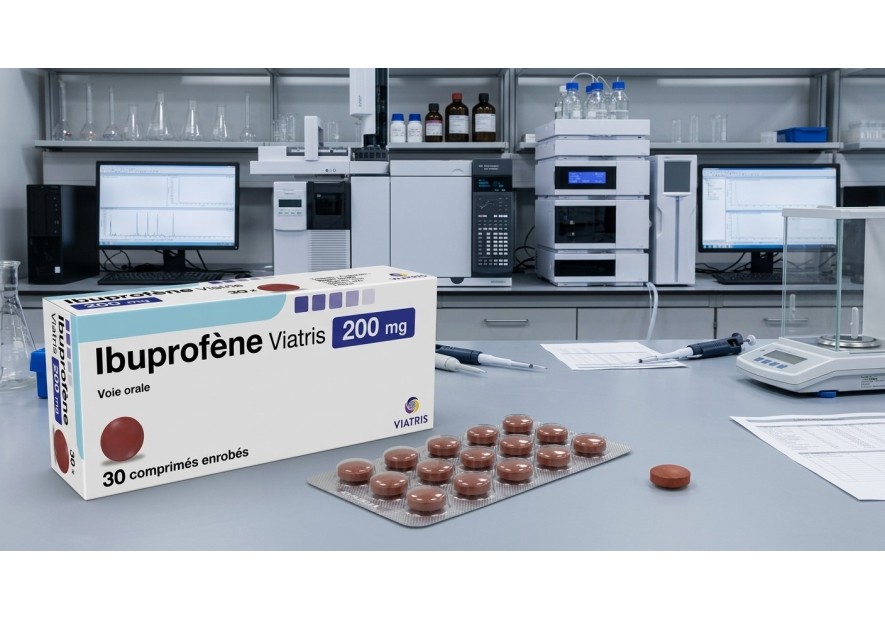
Pain relievers and anti-inflammatory drugs: Such as acetaminophen or ibuprofen (Operation Pangea, for example, intercepted one ton of counterfeit ibuprofen in a single vehicle in Côte d'Ivoire).
Vaccines and serums: Counterfeit vaccines against meningitis and rabies have already been reported in several regions.
Pharmanalyse: An Independent Quality Control Service at the Heart of the Response
When faced with perfectly counterfeited packaging and blister packs, the only effective solution is molecular verification. Pharmanalyse offers a technological platform for HPLC-UV (High-Performance Liquid Chromatography) analysis, specifically tailored to the needs of key players in the African healthcare sector.
Our laboratory analysis services are designed specifically for those working on the front lines:
To health authorities: To conduct pharmacovigilance investigations and audit the quality of medicines available on national markets.
To Non-Governmental Organizations (NGOs): To test and certify that drug supplies fully comply with standards before they are distributed to vulnerable populations for humanitarian purposes.
To legitimate importers and distributors: To secure their supply chain, verify the authenticity of shipments purchased internationally, and protect themselves from legal liability.
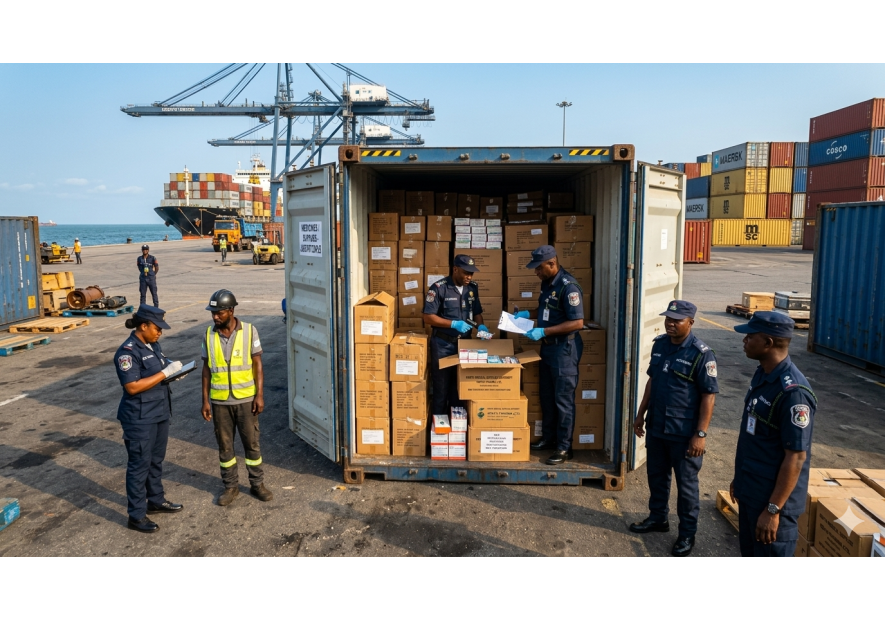
To import control authorities (Customs): To quickly analyze suspicious shipments seized at borders or in commercial ports (such as hubs in West or East Africa) and block counterfeit medicines before they enter the country.
Restoring trust through scientific certainty
The proliferation of counterfeit medicines in Africa is a scourge that undermines the continent’s efforts to improve public health. We cannot defeat deadly diseases with counterfeit drugs or those that are devoid of active ingredients.
By making the power of HPLC-UV analysis available to all stakeholders in the healthcare sector, Pharmanalyse provides the transparency and certainty needed to eliminate toxic products and restore African populations’ right to safe, dignified, and effective healthcare.

Amoxicilline - Clamoxyl - Amoxil - Augmentin Analysis Amoxicilline - Clamoxyl - Amoxil - Augmentin Analysis
Laboratory analysis of drugs to certify the presence and measure the quantity of Amoxicillin. The level of uncertainty of the Amoxicillin content analysis depends on the declination selected (Standard <20%, Precise <10% or Regulatory <5%). Follow the instructions to send your drug to our...
Price €149.00
Artemether - Coartem - Riamet - Paluther - Artefan Analysis Artemether - Coartem - Riamet - Paluther - Artefan Analysis
Laboratory analysis of drugs to certify the presence of Artemether and measure the quantity of Artemether. The level of uncertainty of the Artemether content analysis depends on the declination selected (Standard <20%, Precise <10% or Regulatory <5%). Follow the instructions to send your...
Price €349.00

Check My Med - Participatory Science Check My Med - Participatory Science
Join Pharmanalyse in the fight against counterfeit and illegal drugs! Order our drug analysis and contribute to knowledge about the quality of medicines on the market. Our laboratory analyzes your drug, studies the data and publishes the results in a summary report accessible to the public....
Price €49.00
Leave a comment