
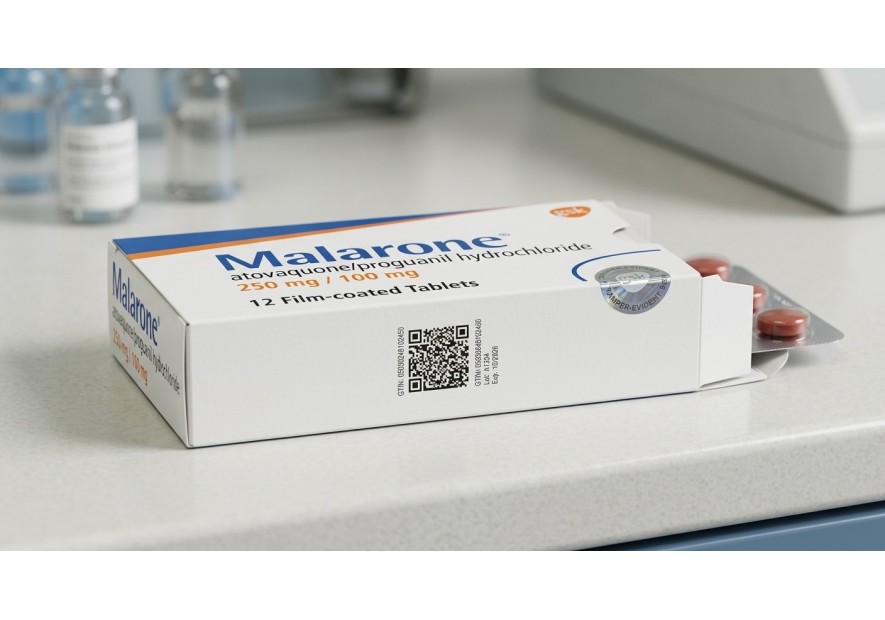
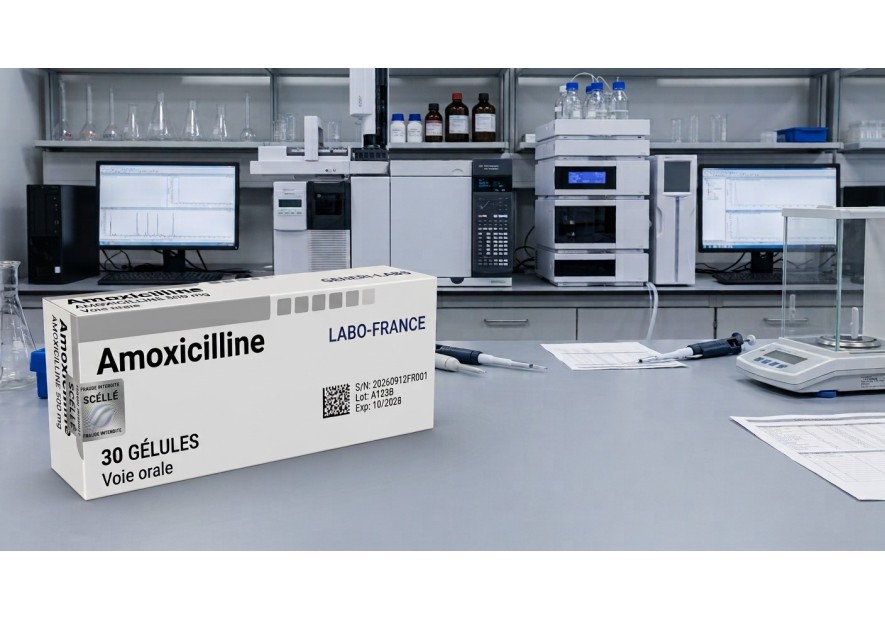
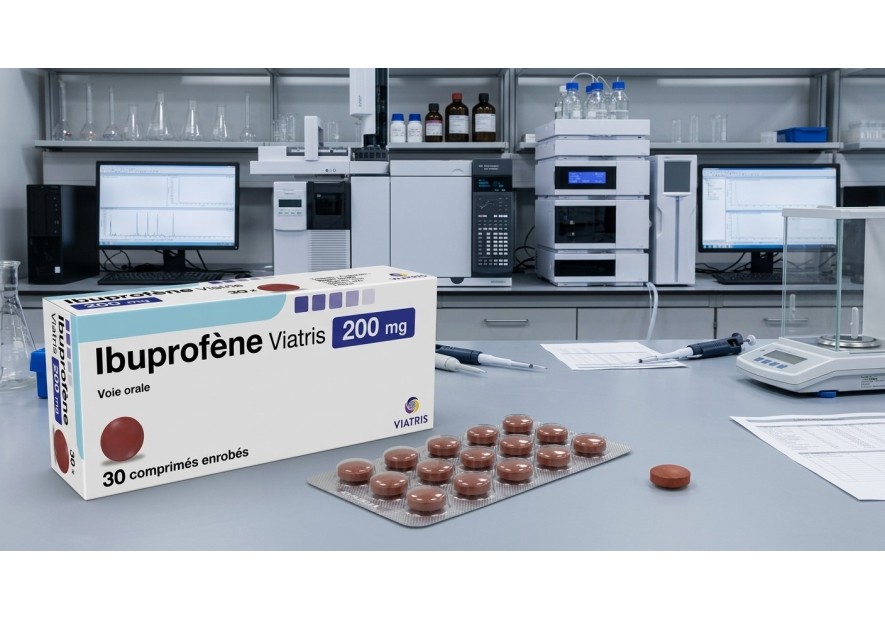
The Pharmaceutical Industry Faces the Scourge of Counterfeit Drugs
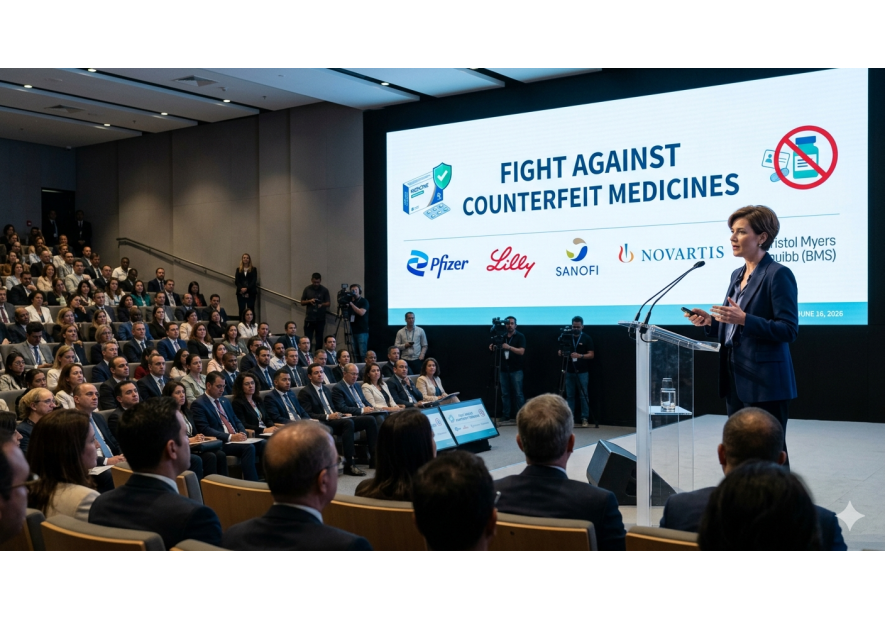
The proliferation of counterfeit medicines has become a major global challenge. According to the WHO, a counterfeit medicine is a product whose identity, history, or source is deliberately and fraudulently misrepresented. This includes products with substandard ingredients, no active ingredients, or toxic ingredients. The pharmaceutical industry and counterfeit medicines are engaged in a race against time where patient safety is the only real stake.
Beyond Patents: A Public Health Issue
It is a common misconception to reduce the fight against counterfeit medicines to a mere issue of patent protection or intellectual property. While brand protection is important to pharmaceutical companies’ strategies, the commitment of companies such as Lilly, Pfizer, Sanofi, Novartis, and Bristol Myers Squibb (BMS) is primarily driven by pharmacovigilance.
A patient who uses a counterfeit product suffers direct harm to their health, and the manufacturer’s reputation—which guarantees therapeutic safety—is severely tarnished.
Strategies of Pharmaceutical Industry Leaders
Pharmaceutical giants have deployed a range of technological and legal measures to combat criminal networks:
Pfizer & Lilly: As leaders in the protection of treatments for metabolic and oncological disorders, these companies are investing heavily in traceability technologies (tamper-proof packaging, invisible security inks, and serial number digitization).
Sanofi: Deeply committed to combating the counterfeiting of antimalarial drugs, Sanofi actively participates in training programs for healthcare professionals in developing countries to help them quickly identify suspicious products.
Novartis: Uses big data and predictive analytics tools to monitor illicit distribution channels in real time on the internet, enabling the company to shut down illegal sales platforms before they cause harm.
Bristol Myers Squibb (BMS): Focuses its efforts on ensuring the integrity of the supply chain for specialty medicines in immunology and oncology, where even the slightest adulteration can result in fatal toxicity for patients.
International cooperation: the key to success
Laboratories cannot act alone. Their cooperation with international bodies is the cornerstone of the fight against counterfeit medicines:
INTERPOL: Pharmaceutical companies provide funding and work closely with INTERPOL’s specialized unit on medical crimes. Operation Pangea, which aims to dismantle illegal online sales networks, is in part the result of this public-private partnership.
WHO (World Health Organization): The industry is collaborating through the WHO’s “Member State Mechanism on Substandard and Counterfeit Medical Products” to harmonize international criminal laws against counterfeiters.
Increased vigilance
The fight against counterfeit medicines is an ongoing technological and regulatory battle. While pharmaceutical companies continue to innovate to secure their supply chains, public awareness remains the ultimate safeguard. Public health safety is a shared responsibility between industry innovation, the rigor of regulatory authorities, and consumer vigilance.
By offering laboratory-based quality control testing for medications, Pharmanalyse contributes to the fight against counterfeit drugs and helps verify the authenticity of medications purchased online.

Check My Med - Participatory Science Check My Med - Participatory Science
Join Pharmanalyse in the fight against counterfeit and illegal drugs! Order our drug analysis and contribute to knowledge about the quality of medicines on the market. Our laboratory analyzes your drug, studies the data and publishes the results in a summary report accessible to the public....
Price €49.00
Leave a comment