
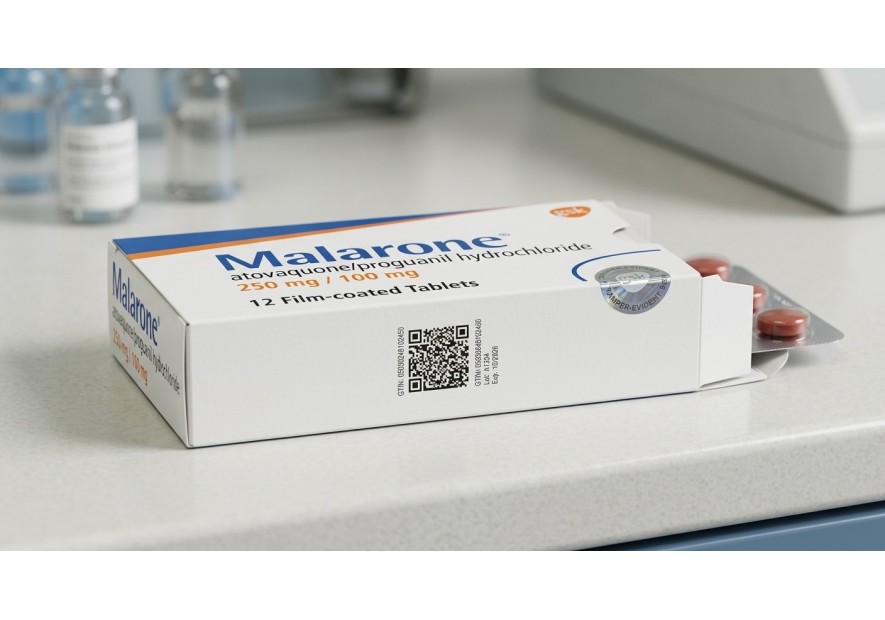
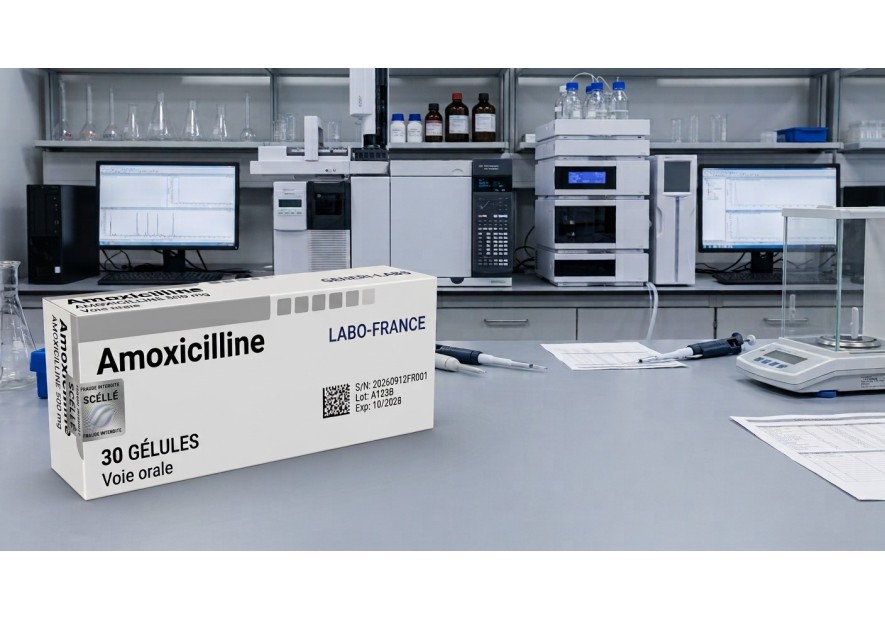
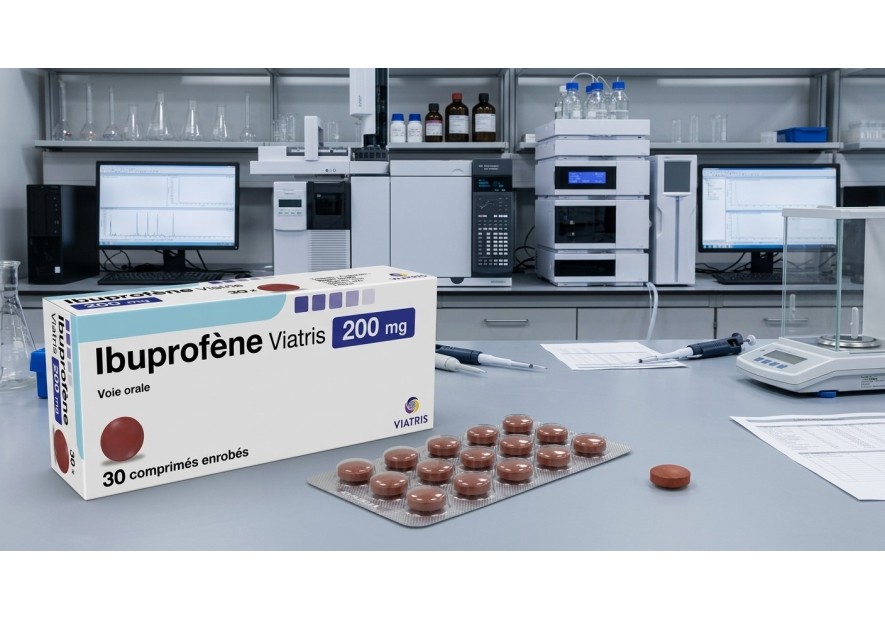
Detecting Counterfeit Medicines: A Major Technological Challenge in the Face of a Global Threat
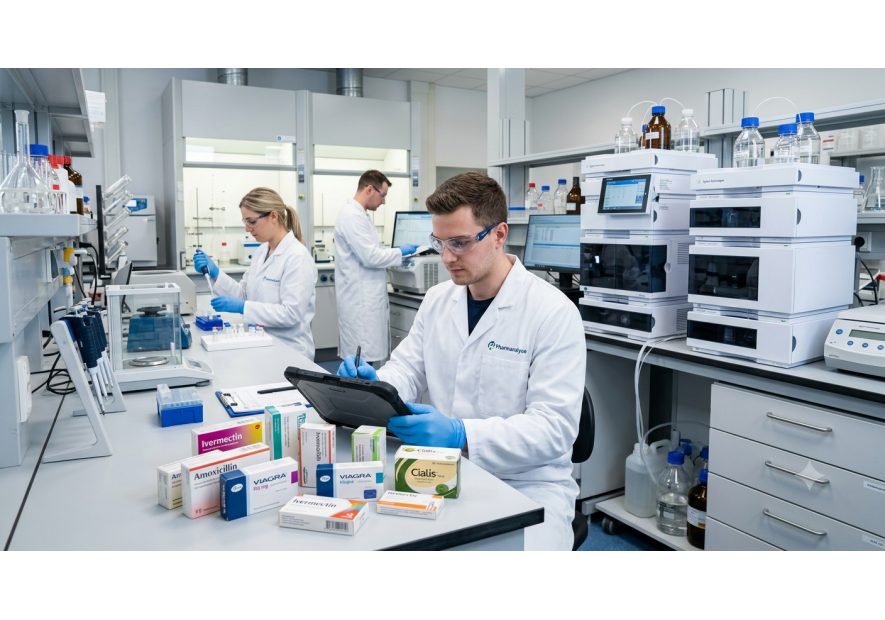
Long considered a problem limited to emerging economies, the trafficking of counterfeit healthcare products has become a worrying global reality. While Africa remains a region requiring high vigilance, the massive growth of illegal online pharmacies has brought developed countries into an era of heightened vulnerability. Today, the detection of counterfeit medicines no longer concerns only low-end treatments but affects the entire range of pharmaceuticals, from antimalarials to erectile dysfunction drugs and antibiotics.
An alarming trend toward professionalization among criminal networks
Criminal organizations have undergone a radical transformation in recent years. Thanks to massive investments in state-of-the-art equipment, they have evolved from simple artisanal production to a full-fledged parallel counterfeiting industry.
The End of the Era of Visual Inspection
In the past, you could spot a counterfeit drug by a spelling mistake on the box, an off color, or a crude hologram. Those days are long gone.
Industrial counterfeiting: Aluminum blister packs, multilingual package inserts, barcodes, and security features (holograms, seals) are reproduced with surgical precision.
The "perfect packaging": A counterfeit drug now looks exactly like the original. This technical feat renders the packaging completely useless as evidence for identifying a counterfeit product.
The facts are clear: If you rely solely on the box’s appearance to verify the authenticity of a medication purchased online, you are putting yourself at serious risk. The packaging has become a deceptive facade designed to reassure consumers.
The Need for a Paradigm Shift: Scientific Analysis
In the face of this visual "perfection," only science can restore the truth. Detecting counterfeit drugs now requires a shift from visual inspection to molecular analysis.
Pharmanalyse has made this requirement central to its expertise by offering laboratory analyses based on High-Performance Liquid Chromatography (HPLC-UV). This method provides immediate clarity by addressing two key areas:
Formal identification: We isolate and identify the chemical signature of the active ingredient. If the molecule present does not match the official product, the counterfeit is instantly detected, regardless of how carefully the packaging is designed.
Quantifying the dosage: Counterfeit drugs often contain an ineffective dose or, worse, a toxic dose. Our measurement tools calculate the exact concentration of the active ingredient, thereby identifying underdosed or overdosed products that could never be detected by a simple visual inspection.
Why is Pharmanalyse your partner in safety?
In a world where borders are fading in the face of digital commerce, health safety requires agile and rapid tools. Pharmanalyse has emerged as an essential solution for all stakeholders at risk:
Individuals: Don’t take the risk of uncertainty with treatments you buy online.
Importers and distributors: Ensure your supply chain complies with regulations and protect yourself from legal liability.
Health and Customs Authorities: Streamline your inspection procedures with certified, indisputable analytical expertise.
Detecting counterfeit drugs should no longer be a matter of guesswork, but a scientific certainty. By entrusting your samples to Pharmanalyse, you are choosing to prioritize public health over appearances, and the rigor of a state-of-the-art laboratory over the illusion created by industrial packaging.

Amoxicilline - Clamoxyl - Amoxil - Augmentin Analysis Amoxicilline - Clamoxyl - Amoxil - Augmentin Analysis
Laboratory analysis of drugs to certify the presence and measure the quantity of Amoxicillin. The level of uncertainty of the Amoxicillin content analysis depends on the declination selected (Standard <20%, Precise <10% or Regulatory <5%). Follow the instructions to send your drug to our...
Price €149.00
Check My Med - Participatory Science Check My Med - Participatory Science
Join Pharmanalyse in the fight against counterfeit and illegal drugs! Order our drug analysis and contribute to knowledge about the quality of medicines on the market. Our laboratory analyzes your drug, studies the data and publishes the results in a summary report accessible to the public....
Price €49.00

Ivermectine - Stromectole - Mectizan - Soolantra - Ivergalen Analysis Ivermectine - Stromectole - Mectizan - Soolantra - Ivergalen Analysis
Laboratory analysis of a drug to confirm the presence of ivermectin and measure its concentration. The level of uncertainty in the analysis of ivermectin content depends on the selected tolerance level (Standard <20%, Precise <10%, or Regulatory <5%). Follow the instructions to send your...
Price €199.00
Leave a comment