
The impact of counterfeit and illegal drug trafficking on the pharmaceutical sector and public health

Counterfeit medicines and the distribution of illegal pharmaceuticals are a growing threat to global public health and the pharmaceutical industry. This phenomenon, which affects both developing and industrialized nations, endangers millions of patients and causes colossal economic losses. This article explores the consequences of this traffic, from violations of intellectual property rights to the impact on research and healthcare systems.
Illegal drugs include products marketed outside regulated distribution channels, without marketing authorization (AMM), manufactured without respecting the quality standards imposed by regulatory agencies, or infringing intellectual property rights (patents). In many cases, these drugs are distributed via unregulated online platforms.
A loss of incomes for the pharmaceutical industry
The trade in counterfeit medicines represents a considerable loss of earnings for the pharmaceutical industry. According to the World Health Organization (WHO), this underground market could account for up to 10% of the global trade in medicines, with annual losses estimated at several tens of billions of euros for pharmaceutical companies. This loss of revenue jeopardizes investment in research and development of new treatments.
A brake on innovation and pharmaceutical research
The pharmaceutical industry spends billions of euros every year on research and development of new molecules. But the traffic in counterfeit and illegal medicines is deterring these investments. The presence of illicit copies on the market reduces the profit margins of pharmaceutical companies, which in turn have to reduce their innovation budgets.
What's more, the proliferation of falsified products distorts clinical results and compromises public confidence in certain treatments. As a result, patients, even when receiving a legitimate treatment, may doubt its efficacy.
A disastrous impact on healthcare systems
The increasing traffic in counterfeit and illegal medicines is putting pressure on healthcare systems, particularly in countries where regulatory and control structures are inadequate. The consequences of this phenomenon are manifold:
- Increased hospitalization: The use of ineffective or toxic medicines leads to medical complications, increasing the burden on hospitals and healthcare professionals.
- Additional costs for governments: The treatment of patients affected by counterfeit medicines represents a high economic cost for governments, not least because of the corrective treatments and awareness campaigns required.
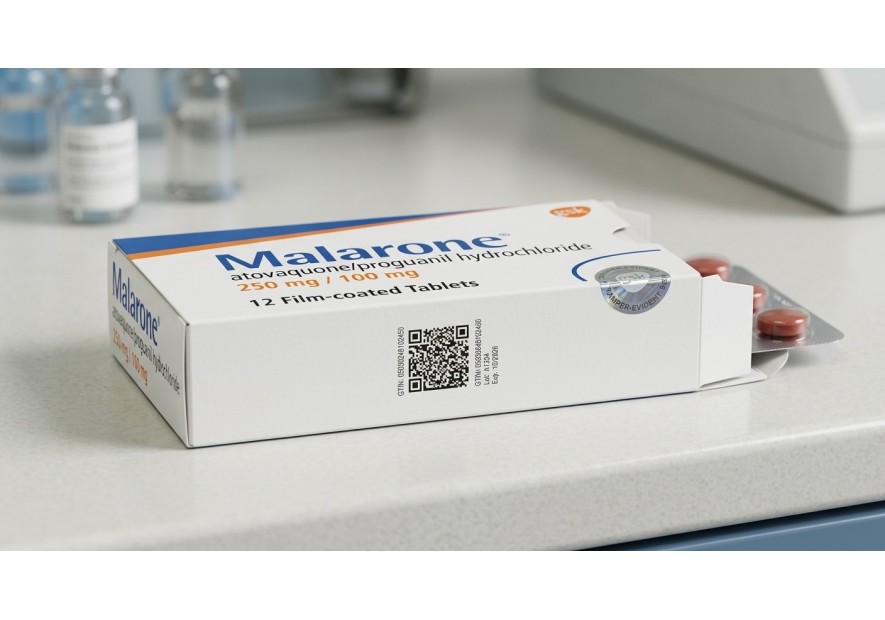
- Weakening of the fight against pandemics: Counterfeit medicines for diseases such as malaria, tuberculosis and HIV can exacerbate health crises by facilitating the development of treatment resistance.
Major risks for patients
The consequences of counterfeit drug trafficking on patient health are catastrophic. The main risks include :
- Ineffective treatment: A counterfeit drug may contain an insufficient dose of the active ingredient, delaying healing and allowing the disease to progress.
- Toxic effects: Some counterfeit products contain toxic substances (heavy metals, dangerous solvents) that can cause serious or even fatal side-effects.
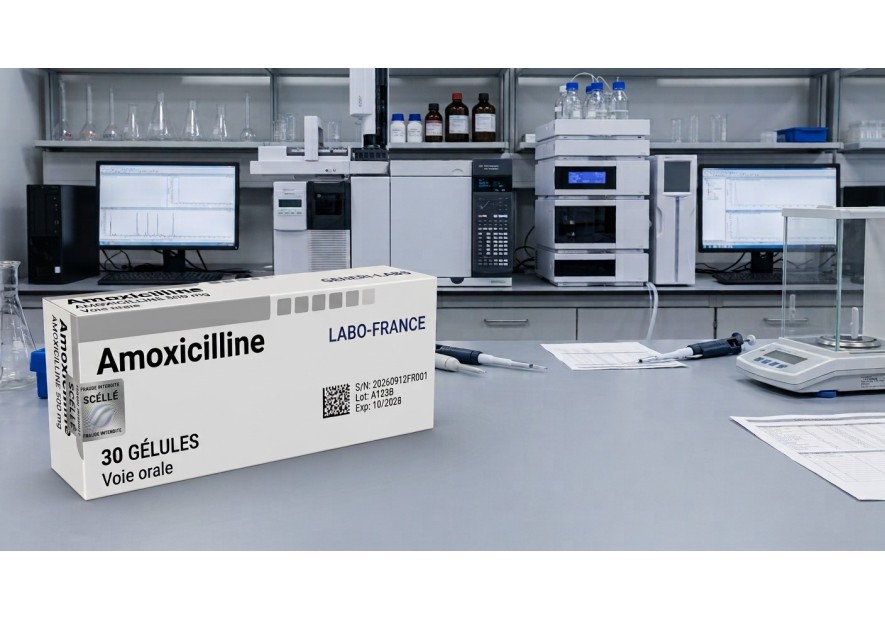
- Antibiotic resistance: The use of counterfeit medicines contributes to the emergence of resistant strains of bacteria, jeopardizing the effectiveness of antibiotic treatments.
The traffic in counterfeit and illegal medicines represents a major threat to public health and the pharmaceutical industry. Its economic impact is considerable, holding back innovation and putting millions of lives at risk. The fight against this scourge requires enhanced cooperation between health authorities, governments and the pharmaceutical industry. Tougher laws, improved traceability mechanisms and greater public awareness are all essential levers for reducing the scale of this traffic and guaranteeing access to safe, effective treatments for all.

Check My Med - Participatory Science Check My Med - Participatory Science
Join Pharmanalyse in the fight against counterfeit and illegal drugs! Order our drug analysis and contribute to knowledge about the quality of medicines on the market. Our laboratory analyzes your drug, studies the data and publishes the results in a summary report accessible to the public....
Price €49.00
Leave a comment