
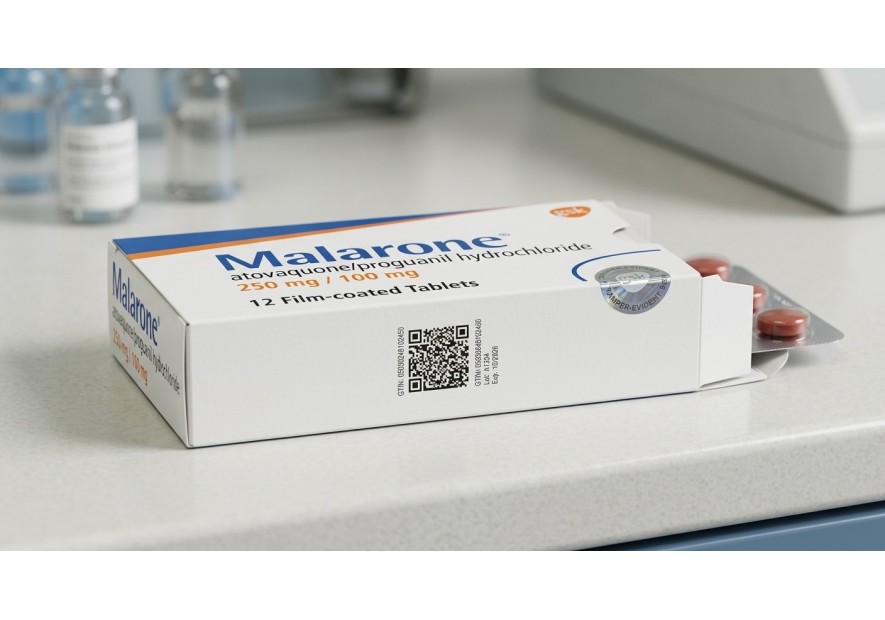
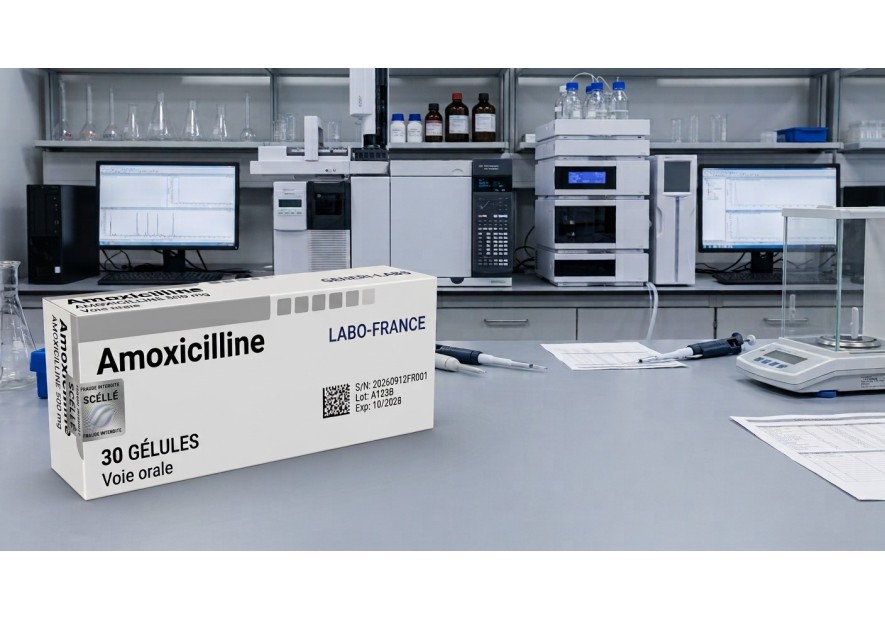
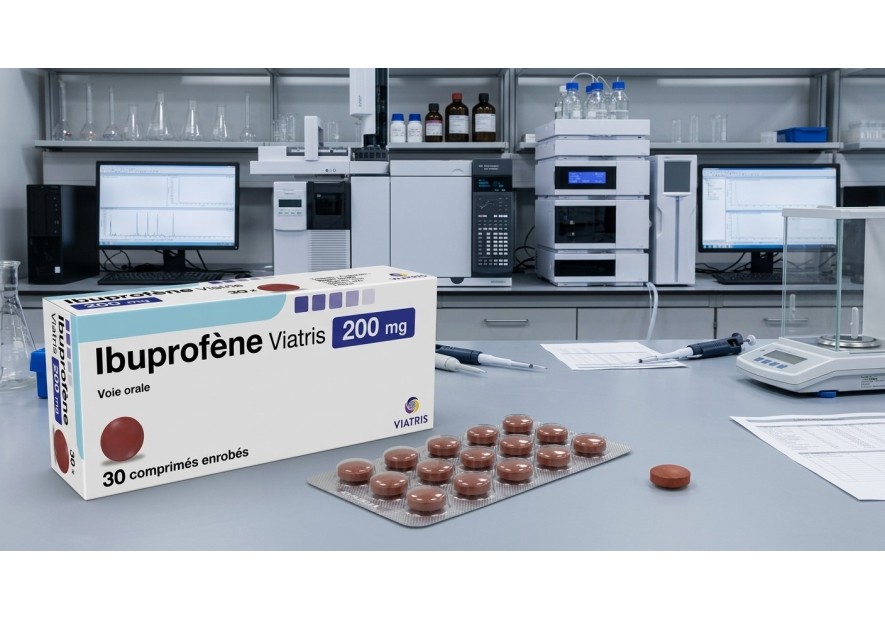
Laboratory drug testing to identify counterfeits: the ultimate tool for public health safety
The global pharmaceutical market faces an unprecedented threat. From over-the-counter pills to life-saving treatments (such as antimalarials or abortion medications), no sector is safe from criminal networks. Recent reports from INTERPOL, particularly from Operation Pangea XVIII, reveal that millions of doses of counterfeit products circulate daily on the Internet and through parallel distribution channels.
With packaging becoming increasingly sophisticated and perfectly mimicking that of official laboratories, visual inspection has become obsolete. Today, only laboratory-based drug testing to identify counterfeits can distinguish genuine products from fakes and protect consumers’ lives.
Why is visual analysis ineffective against counterfeiters?
For a long time, counterfeit drugs could be spotted by their poorly printed packaging, blurry logos, or crude holograms. Those days are gone. Today’s counterfeiting networks use industrial-grade printing equipment.
Identical blister packs: The aluminum and plastic blisters are thermoformed with the same precision as in the legitimate pharmaceutical industry.
Copied batch numbers: Counterfeiters use genuine batch numbers and valid expiration dates to deceive pharmacists and customs officials.
A deceptive appearance: The color, shape, and weight of the tablets are designed to match the original exactly.
Since the packaging looks perfect, the danger lies within. Without laboratory testing to identify counterfeits, it is technically impossible to know what you are about to ingest.
The three main types of fraud identified in the laboratory
When a suspicious sample is subjected to scientific analysis, the results generally reveal one of the following three patterns of adulteration:
The "placebo" product (containing no active ingredient)
The tablet contains only inert excipients (starch, chalk, talc, sugar). While not directly toxic, it is deadly by default: a patient treating a serious infection or malaria with an empty capsule will see their condition worsen irreversibly.
The underdosed or overdosed product
To save on chemical raw materials, clandestine laboratories reduce the amount of active ingredient (for example, 20 mg instead of 100 mg). This underdosing leads to treatment failure and promotes the development of microbial resistance. Conversely, excessive dosing can cause acute poisoning or cardiac arrest.
Molecular substitution and the presence of contaminants
To cut costs, counterfeiters sometimes replace the original active ingredient with a cheaper but dangerous alternative (such as substituting sildenafil with banned substances like sibutramine). Furthermore, poor hygiene in clandestine factories leads to the presence of synthetic impurities, residual solvents, and heavy metals.
How does the drug testing process work at Pharmanalyse?
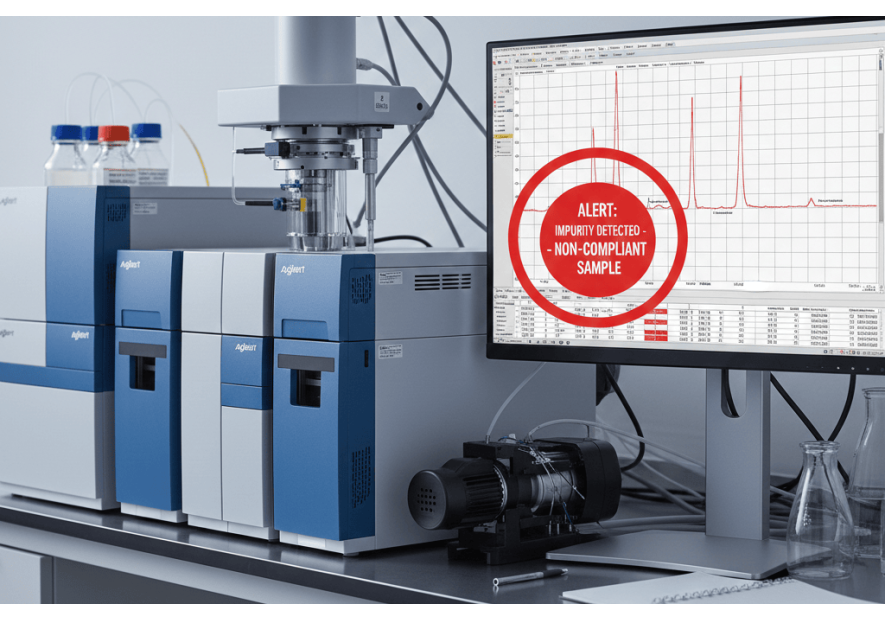
To eliminate any doubt, Pharmanalyse has developed a state-of-the-art analytical protocol based on High-Performance Liquid Chromatography coupled with Ultraviolet detection (HPLC-UV). This technology is the gold standard in the global pharmaceutical industry.
The drug testing process for identifying counterfeits consists of three rigorous scientific steps:
Chemical separation: The drug is dissolved and then injected into the HPLC system. Under high pressure, the various components of the pill separate based on their chemical affinity with the stationary phase of the analytical column.
Formal identification: Each molecule has a unique retention time (tR) and UV absorption spectrum. The system immediately detects whether the molecule present exactly matches the expected formula (for example, tadalafil, mifepristone, or ivermectin).
Precise quantification: By measuring the area under the peak of the chromatogram and comparing it to a reference standard, the laboratory calculates the exact concentration of the active ingredient to the nearest milligram.
A chromatogram never lies. Where the human eye sees two identical boxes of medication, HPLC-UV analysis instantly reveals hidden impurities or dosage deficiencies.
A service available to all healthcare professionals
Pharmanalyse has designed its online platform to simplify and make compliance testing more accessible. This service is intended for a wide audience:
Individuals: Those who have purchased medication from an online pharmacy and are experiencing unusual side effects or a lack of effectiveness.
NGOs and humanitarian organizations: Seeking to verify the quality of medicine supplies before distributing them to the public, particularly in vulnerable areas such as developing countries.
Customs and regulatory authorities: To quickly analyze suspicious shipments seized at the border and disrupt criminal logistics networks.
Importers and distributors: To verify the quality of medicines purchased from wholesalers and certify their regulatory compliance.
Science as our only defense
Given the proliferation of counterfeit drugs, blind trust is no longer an option. Purchasing medications online or through unofficial channels requires systematic verification. Having a medication tested by Pharmanalyse to identify counterfeits means choosing scientific certainty to protect your health, that of your loved ones, or that of your patients.

Check My Med - Participatory Science Check My Med - Participatory Science
Join Pharmanalyse in the fight against counterfeit and illegal drugs! Order our drug analysis and contribute to knowledge about the quality of medicines on the market. Our laboratory analyzes your drug, studies the data and publishes the results in a summary report accessible to the public....
Price €49.00
Leave a comment