
A Guide to Sending Your Drug Sample to the Pharmanalyse Laboratory
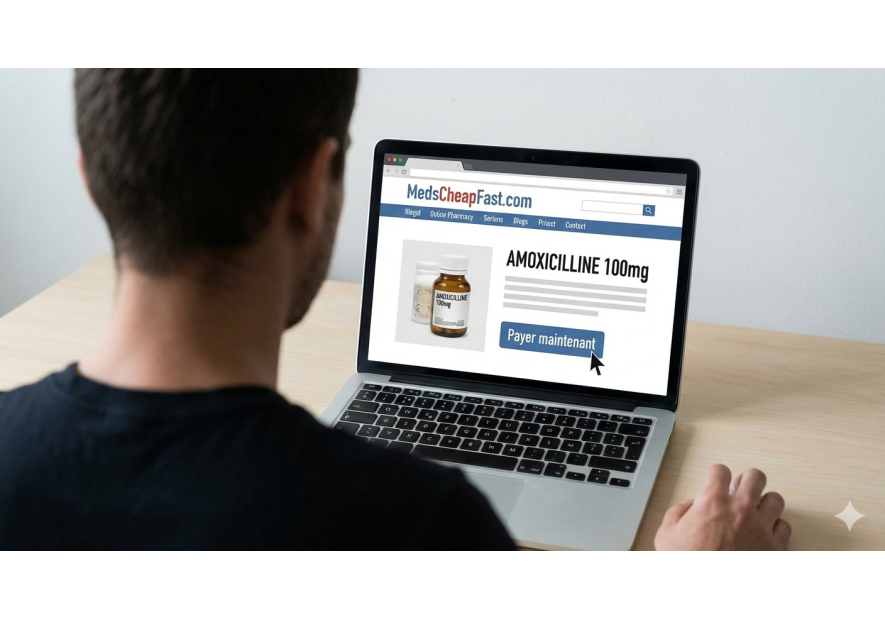
At a time when counterfeit healthcare products are proliferating online through online pharmacies, verifying the integrity of your medications has become a major concern. Whether you are an individual with concerns about an online order, a healthcare professional dealing with an issue regarding a product’s efficacy, or an industry stakeholder, you can now have a suspicious product analyzed thanks to Pharmanalyse’s expertise.
However, to ensure that a pharmaceutical analysis is thorough and reliable, the sample collection and shipping process is strictly regulated. Here are the steps to follow when sending a medication sample to the laboratory in accordance with quality standards.
Sample Preparation: Three copies are required
The first step—and undoubtedly the most important one for the validity of the analysis report—is the amount of material provided. To conduct comprehensive tests, particularly chromatographic assays (HPLC-UV), the laboratory requires that you send at least three samples of the medication to be analyzed.
These samples must be submitted in their original packaging (box and/or bottle, as well as any blister packs). This requirement ensures that experts have access to all essential traceability data, such as the manufacturer’s name, the lot number, and the dates of manufacture and expiration. Without this crucial information, the investigation process could be limited or rendered impossible.
Protection and Shipping: Ensuring Sample Integrity
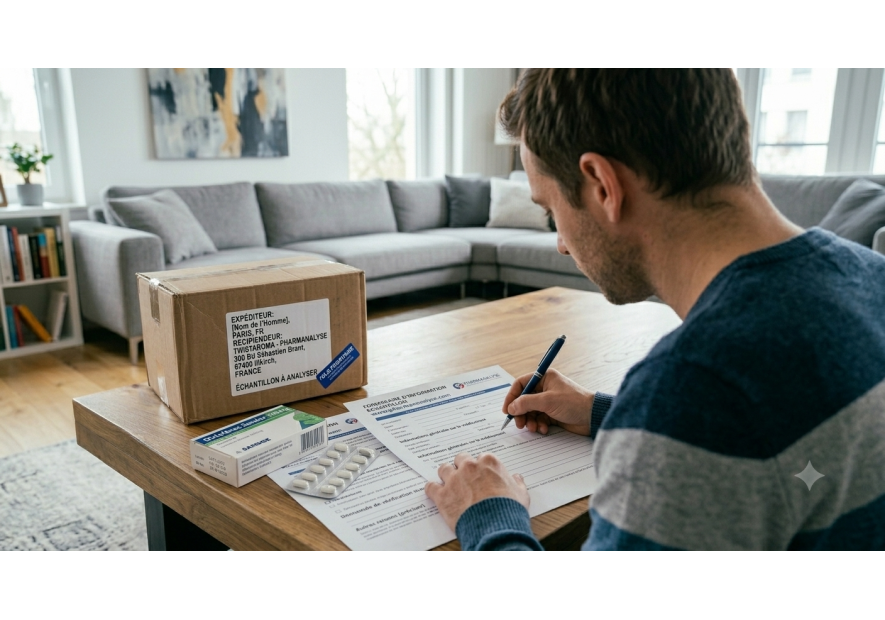
Transporting suspicious medications requires careful planning. To prevent any degradation, contamination, or deterioration of tablets, capsules, or solutions during transit, the package must be prepared with care. The instructions recommend using:
- A small, sturdy cardboard box.
- A protective bubble envelope.
- Additional padding (bubble wrap or cardboard) if you're using a standard envelope.
Once secured, the package must be sent to the Pharmanalyse laboratory.
The Essential Information Form
A sample sent without context is unusable. In order for the laboratory to focus its analysis effectively, the sample must be accompanied by a duly completed information form. This document, which serves as the product’s “identity card,” contains the following information:
General information: International Nonproprietary Name (INN), listed active ingredients, strength, and dosage form (tablet, liquid, powder).
Product Source: The source is a key factor for experts. You must specify whether the product comes from a brick-and-mortar pharmacy, an online site, or an informal market, and provide the name of the site or supplier, if available.
Reported issues: The form asks you to specify the reasons for your request: suspected counterfeiting, lack of effectiveness, physical abnormalities (appearance, odor, texture), or simply a standard verification request.
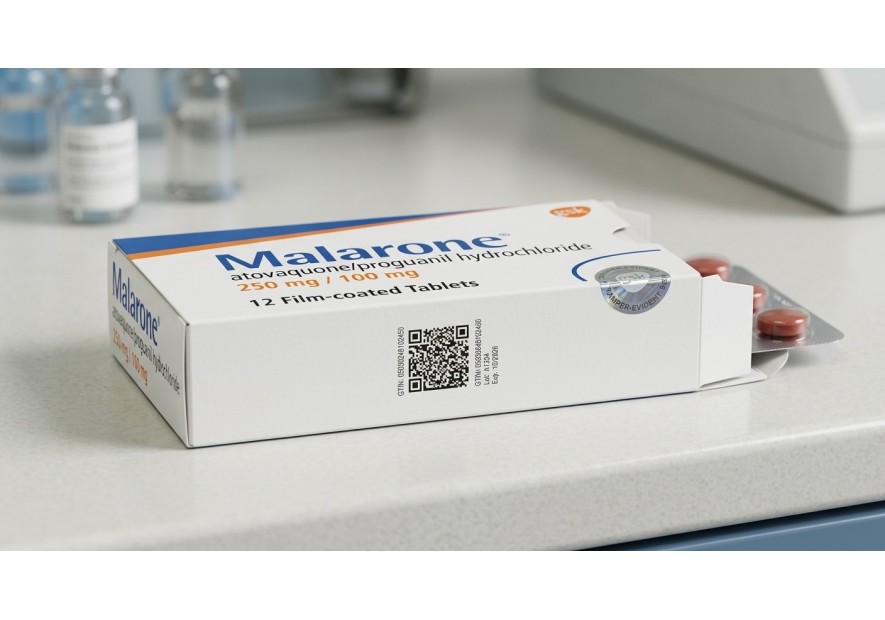
History and Traceability: You must report whether the medication has been used before, whether any side effects were observed, and provide details regarding the presence of the package insert, the barcode, or any visual anomalies (spelling errors on the packaging, suspicious typography).
Why is this approach essential?
Laboratory drug testing serves as a bulwark against pharmaceutical cybercrime. By choosing to send your drug sample to the laboratory, you are not just making an individual request—you are actively participating in market surveillance. The information collected helps experts correlate data, identify new illicit distribution networks, and document increasingly sophisticated counterfeiting techniques.
The accuracy of your observations—whether regarding the tablet's texture, the absence of a traceability QR code, or an unusual odor—provides valuable clues for subsequent chemical analyses.
By following these strict guidelines, you ensure that Pharmanalyse’s experts have the best possible conditions for conducting reliable tests. Protecting your health and the collective fight against counterfeit medicines begin with this careful handling of samples.

Check My Med - Participatory Science Check My Med - Participatory Science
Join Pharmanalyse in the fight against counterfeit and illegal drugs! Order our drug analysis and contribute to knowledge about the quality of medicines on the market. Our laboratory analyzes your drug, studies the data and publishes the results in a summary report accessible to the public....
Price €49.00
Leave a comment