Laboratory Analysis of the Composition of Ivermectin Sold Online
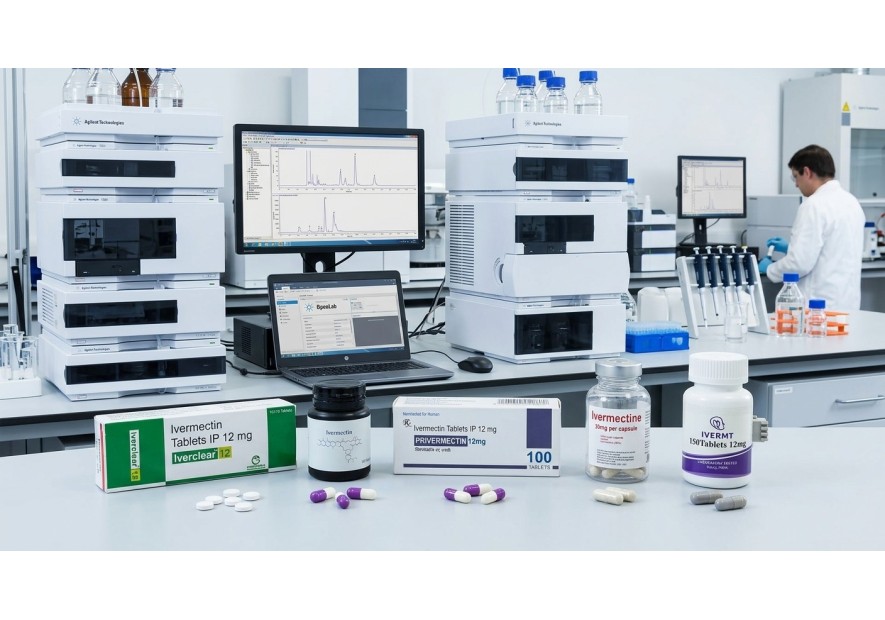
For several decades, ivermectin has been recognized and used worldwide as a leading antiparasitic treatment in both veterinary and human medicine. Discovered in the 1970s, this compound even earned its discoverers the Nobel Prize in Medicine in 2015 for its remarkable effectiveness against devastating diseases such as onchocerciasis (river blindness) and scabies. However, beyond its proven antiparasitic properties, ivermectin has recently become the subject of a particularly controversial craze. A widespread campaign has emerged across various platforms, touting its alleged miracle effects in treating serious diseases, particularly in the field of oncology.
The Off-Label Use of Ivermectin for Cancer Treatment: No Supporting Clinical Studies
This phenomenon is based on preliminary scientific publications that have observed the molecule’s effects in vitro. In these laboratory studies conducted on cell cultures, ivermectin has shown an ability to inhibit the proliferation of certain tumor cells or to induce their apoptosis (programmed cell death). Proponents of this alternative treatment therefore claim that the compound is effective against many types of tumors. Among the diseases most frequently cited in this clinically unvalidated literature are breast cancer, prostate cancer, colon (or colorectal) cancer, ovarian cancer, lung cancer, as well as various forms of leukemia and melanoma.
It is, however, crucial to recall a fundamental scientific truth: To date, absolutely no clinical study conducted on human patients supports the claim that ivermectin is effective in treating cancer. The gap between a result obtained in vitro, in a Petri dish, and clinical efficacy in vivo in a human being is immense. The doses required to reproduce these anticancer effects in humans would be potentially toxic, if not fatal.
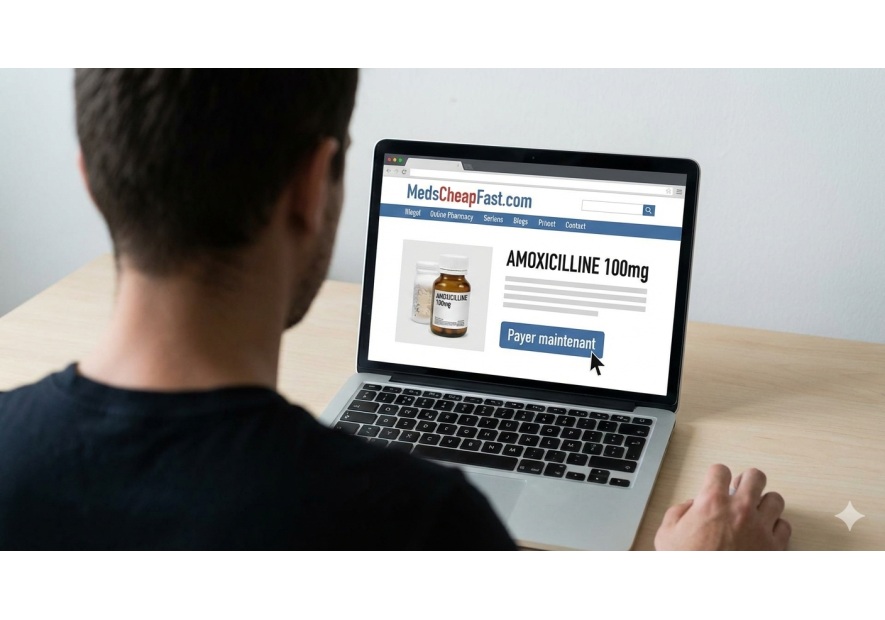
Despite this complete lack of medical validation and warnings from health authorities, the desperation of some patients in the face of the disease drives them to seek alternatives. This distress is cynically exploited by numerous dubious websites and illegal online pharmacies. These platforms, which operate outside any regulatory oversight, offer ivermectin for sale online, promising pure products and miraculous cures, without any prescription or medical supervision. It is against this backdrop of major health risks that the independent laboratory Pharmanalyse has decided to intervene.
Chromatography as the Ultimate Investigative Tool
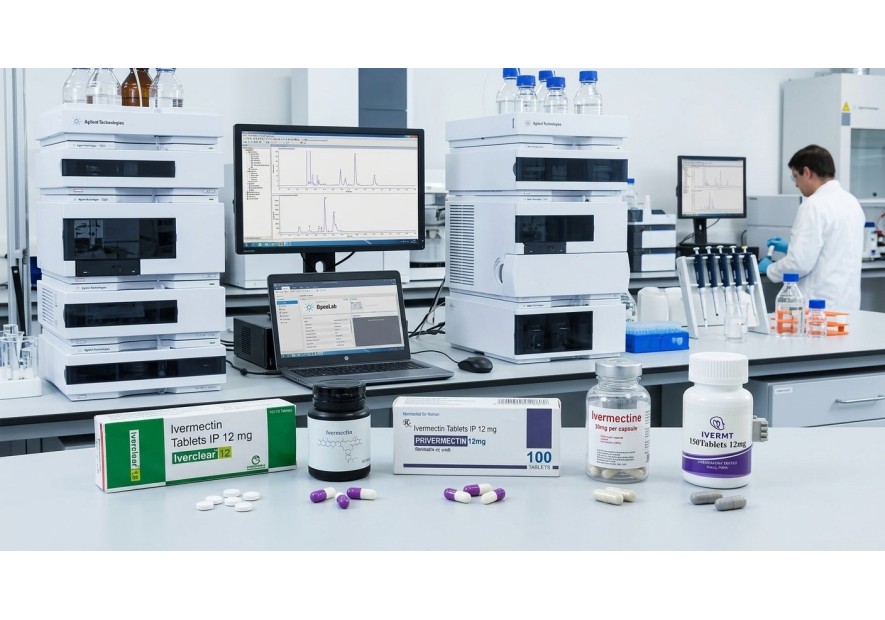
To shed light on the products actually delivered to consumers, Pharmanalyse undertook a comprehensive study aimed at accurately determining the composition of the ivermectin sold on these parallel platforms. To carry out this investigation, the laboratory’s scientists used a state-of-the-art technique that is indispensable in the pharmaceutical industry: high-performance liquid chromatography (HPLC).
This high-precision analytical method makes it possible to separate, identify, and quantify each component of a complex mixture with great accuracy. The principle involves injecting the liquid sample into a column under high pressure. The different molecules migrate at different speeds depending on their chemical affinities. At the column’s outlet, a detector records their passage as peaks on a graph called a chromatogram.
An analysis of ivermectin’s composition reveals an interesting feature: the active ingredient is not a single molecule, but is in fact a mixture of two chemically very similar molecules from the macrocyclic lactone family. These are ivermectin B1a and ivermectin B1b. In a standard-quality pharmaceutical product, ivermectin B1a is by far the predominant compound, while ivermectin B1b is present in minute quantities, accounting for less than 1% of the total mixture. During the analyses conducted by Pharmanalyse, liquid chromatography performed its role perfectly: two clearly distinct chromatographic peaks were observed, corresponding respectively to these two forms (B1a and B1b). The separation of these peaks allowed the researchers to perform an extremely precise quantification of each molecule.
Alarming chromatographic analysis results
Pharmanalyse thus conducted a rigorous analysis of several batches of ivermectin purchased from various illegal online pharmacies. The results are alarming, to say the least, and reveal widespread fraud. From a marketing perspective, however, the sales pitches on the websites and the labels on the bottles are reassuring. They proudly display claims such as “ivermectin, purity greater than 99%.”
But the results of the chromatographic analyses reveal a very different reality: While both forms of ivermectin (B1a and B1b) are indeed present in the tablets or capsules tested—thus ruling out the possibility of complete counterfeiting with an inert powder—the measured concentration is, however, consistently and significantly lower than that indicated on the packaging. The laboratory’s findings are damning: among all the batches tested, the best result obtained showed concentrations corresponding to no more than 93.5% of the expected concentration. This figure already represents a significant underdose. But the situation worsens considerably: in the worst-case scenario analyzed, only 49.8% of the expected concentration was present in the medication.
In practical terms, this means that a patient who thinks they are taking a specific dose (for example, 12 mg, as indicated on some bottles) is actually absorbing only half of it. This chronic underdosing raises serious concerns: not only is the treatment ineffective (including for its intended antiparasitic use), but it also promotes the development of resistance in parasites. Furthermore, the absence of 50% of the active ingredient raises major concerns about the nature of the excipients or impurities used to “cut” the medication and fill the capsule, the toxicity of which remains unknown.
From a regulatory standpoint, these products are completely illegal. In every single case without exception, the amount of ivermectin found in samples purchased online is always lower than what is stated and easily exceeds the strict compliance criteria established by the European Union Pharmacopoeia. European health authorities impose an extremely narrow margin of error to ensure the safety and efficacy of treatments: to be considered compliant, a medication must have an active ingredient content strictly between 95% and 105% of the amount stated on its package insert. None of the products purchased on the online gray market met this minimum threshold of 95%.
This in-depth study conducted by Pharmanalyse strongly emphasizes, backed by data, the vital importance of laboratory analysis. Only through such analysis can the compliance, purity, and actual quality of medications be verified. It also serves as a reminder that purchasing treatments from illegal websites—particularly for serious conditions such as cancer and based on false promises—not only exposes patients to financial loss but also seriously endangers their health by subjecting them to fraudulent, underdosed, and potentially toxic products.
Check My Med - Participatory Science Check My Med - Participatory Science
Join Pharmanalyse in the fight against counterfeit and illegal drugs! Order our drug analysis and contribute to knowledge about the quality of medicines on the market. Our laboratory analyzes your drug, studies the data and publishes the results in a summary report accessible to the public....
Price €49.00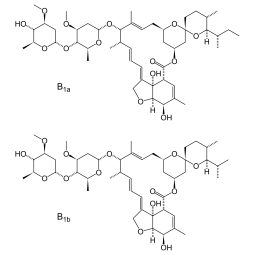

Ivermectine - Stromectole - Mectizan - Soolantra - Ivergalen Analysis Ivermectine - Stromectole - Mectizan - Soolantra - Ivergalen Analysis
Laboratory analysis of a drug to confirm the presence of ivermectin and measure its concentration. The level of uncertainty in the analysis of ivermectin content depends on the selected tolerance level (Standard <20%, Precise <10%, or Regulatory <5%). Follow the instructions to send your...
Price €149.00 Regular price €199.00
Leave a comment