
Drug quality: between counterfeit and illegal products
Counterfeit and illegal medicines represent a growing threat to public health. While the former misrepresent their identity or origin, the latter violate pharmaceutical laws. This scourge particularly affects sub-Saharan Africa and South-East Asia, but is also spreading via illegal online pharmacies. Consumption of these products can have serious consequences, ranging from therapeutic ineffectiveness to fatal poisoning. To protect yourself, it is essential to use official channels and remain vigilant.
The quality of medicines is a major public health issue. However, between counterfeit drugs and illegal products, it is sometimes difficult to find one's way around. Let's clarify these notions to better understand the risks.
Definitions: counterfeit and illegal medicines
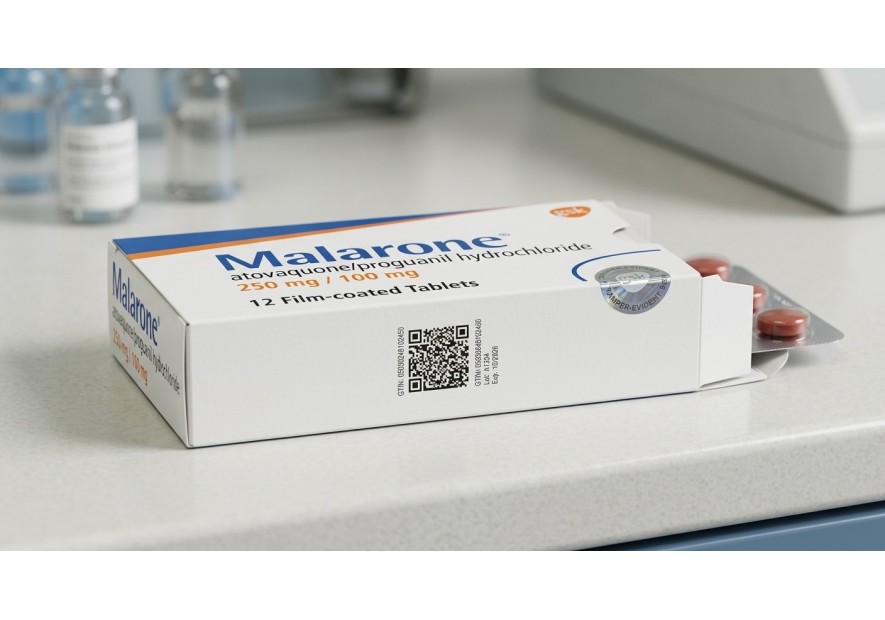
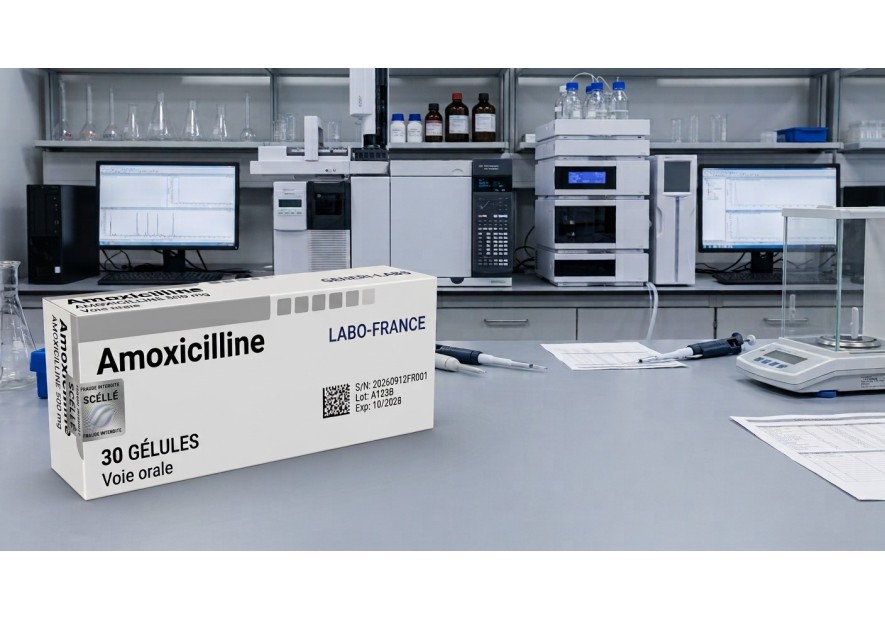
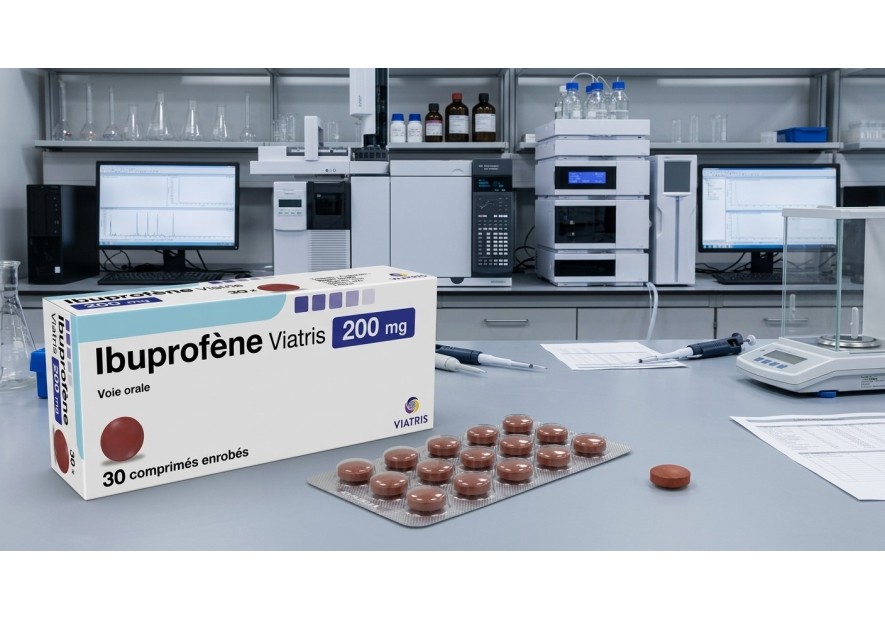
A counterfeit drug is a product that is deliberately and fraudulently mislabeled as to its identity or origin. This can include medicines without active ingredients, with the wrong dosage or containing dangerous substances.
An illegal drug, on the other hand, is a product that contravenes current pharmaceutical laws. They may be unauthorized by regulatory agencies, stolen or manufactured without respecting quality standards.
The essential difference lies in intent: counterfeit drugs are intended to deceive the consumer, whereas illegal drugs may be the result of a lack of authorization or an outlawed distribution circuit.
Countries most affected by counterfeiting and illegal trade
Counterfeit medicines are a global scourge, but some countries are more vulnerable than others. Sub-Saharan Africa and South-East Asia are particularly hard hit, with alarming levels of counterfeit medicines circulating on local markets. In Europe and North America, the problem is more closely linked to online sales.
The rise of illegal online pharmacies
With the development of digital commerce, online pharmacies are proliferating, sometimes offering non-prescription medicines at attractive prices. However, a significant proportion of these sites operate illegally, without any health controls, putting consumers at serious risk.
International criminal networks are often involved in this trade, exploiting regulatory loopholes and difficulties in tracing pharmaceutical products online.
Health risks
Consuming medicines of dubious origin can have dramatic consequences: lack of therapeutic effect, serious side effects, intoxication and even death. Counterfeit medicines are often produced under unsanitary conditions, using inferior or dangerous components.
How can I protect myself?
- Buying from a pharmacy: Choose official distribution channels.
- Check online pharmacy sites: In Europe, for example, legal sites display a common logo confirming their authorization.
- Consult a healthcare professional: Never take any medication without medical advice.
By raising public awareness of the dangers of counterfeit and illegal medicines, we're helping to protect everyone's health. Let's be vigilant, informed and responsible in the face of this global health challenge.

Check My Med - Participatory Science Check My Med - Participatory Science
Join Pharmanalyse in the fight against counterfeit and illegal drugs! Order our drug analysis and contribute to knowledge about the quality of medicines on the market. Our laboratory analyzes your drug, studies the data and publishes the results in a summary report accessible to the public....
Price €49.00
Leave a comment