
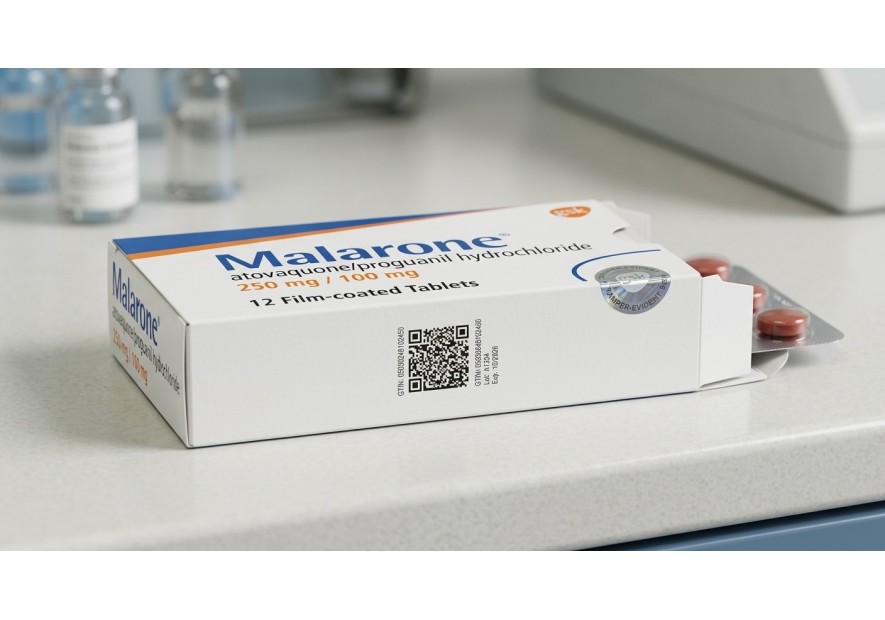
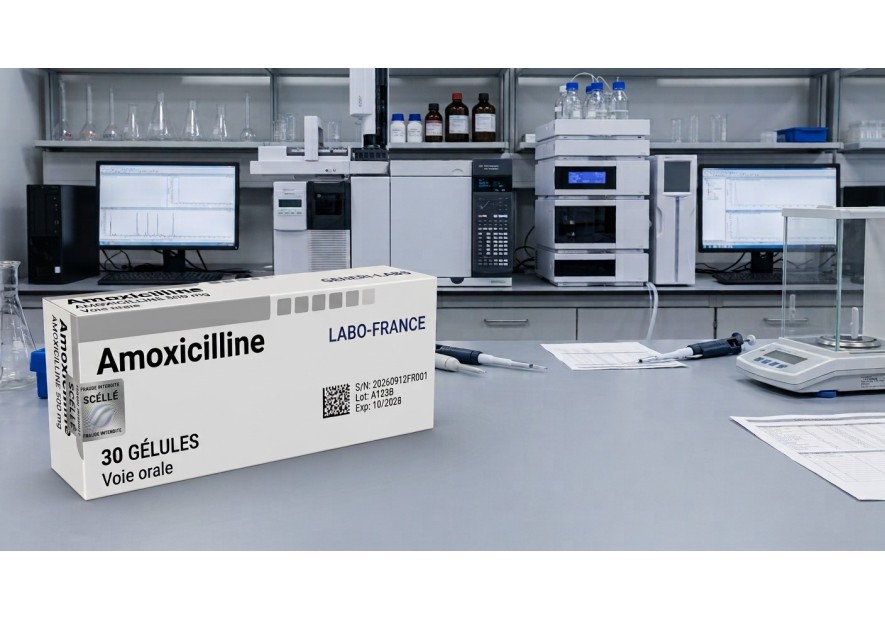
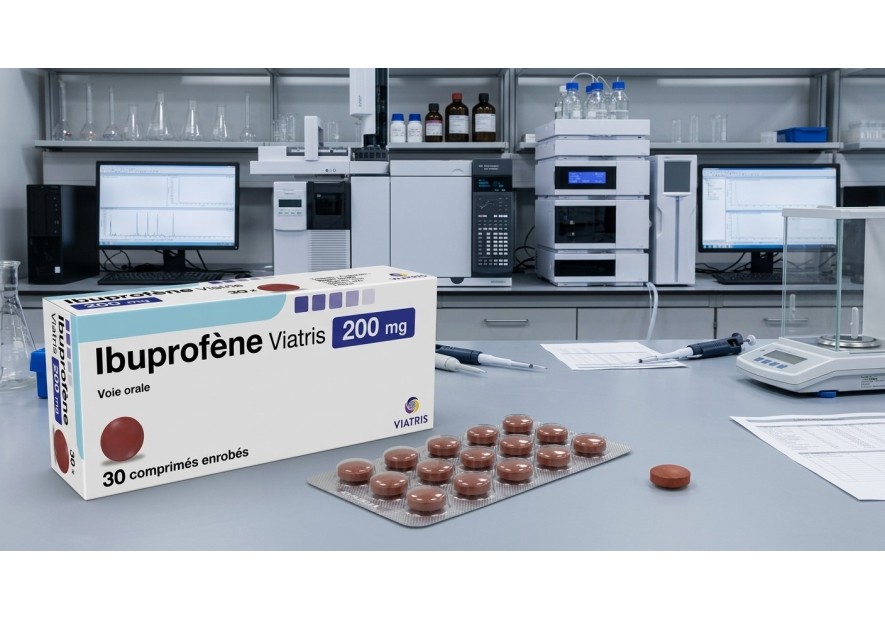
Customs and Counterfeit Medicines: Science in the Service of Border Control
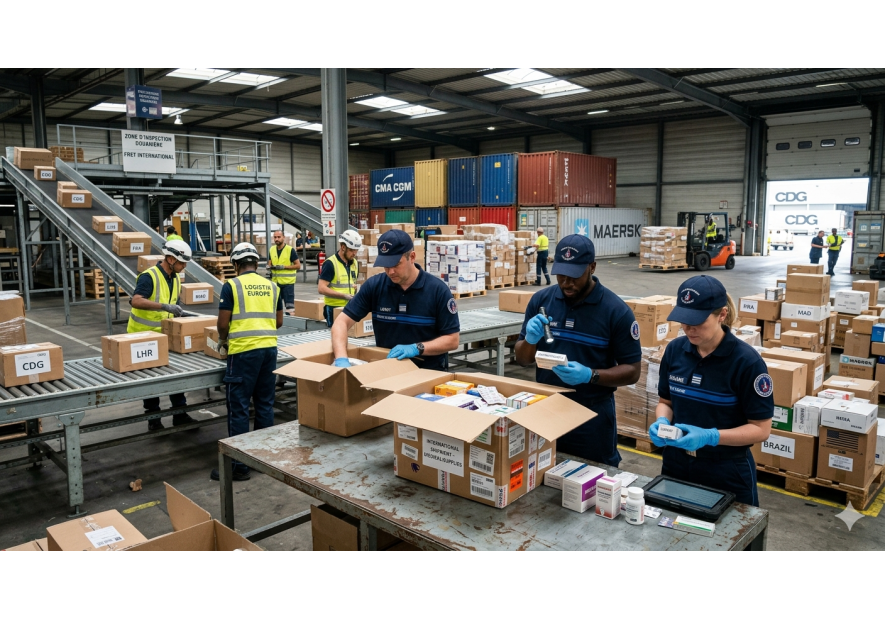
The trafficking of counterfeit health products has become one of the most lucrative and dangerous criminal activities in the world. At the intersection of international trade and public health, customs authorities serve as the first line of defense in stopping these deadly shipments. Results from global operations coordinated by INTERPOL, such as Operation Pangea XVIII, reveal that fraud networks are becoming increasingly sophisticated.
Faced with massive logistics flows, the collaboration between customs authorities and anti-counterfeiting agencies now faces a major challenge: how to quickly identify non-compliant products whose packaging is nearly flawless? In this race against time, scientific laboratory analysis has emerged as the only indisputable means of verification.
Import controls: a logistical and technical challenge
Every day, millions of tons of goods pass through ports, airports, and logistics hubs. Among these, pharmaceutical products are subject to heightened scrutiny. Customs officers have a threefold mission, as they must detect and prevent various types of fraud:
Counterfeit drugs (Fakes): Products manufactured by criminal organizations that illegally use the brand name, logo, and packaging of a legitimate pharmaceutical company.
Illegal medications: Genuine products that have been introduced into a country without a local marketing authorization, or generic drugs that are prohibited from importation (such as certain versions of sildenafil or tadalafil).
Medicines that do not meet pharmacopoeia requirements: Products that, although distributed through official channels, have manufacturing defects (under-dosing, impurities, thermal degradation products) and do not meet the strict standards of chemical purity established by health authorities.
The main challenge: visual illusion
The main challenge for customs officials is that counterfeiters now use industrial printing equipment. Aluminum blister packs, cardboard boxes, package inserts, and even security holograms are perfectly replicated. A container that appears perfectly legitimate upon visual inspection may actually contain products that have been chemically altered or are completely devoid of the active ingredient.
The strategic importance of chemical analysis for stakeholders in the supply chain
Given that fraud is often difficult to detect, the use of laboratory drug testing is of critical importance to all stakeholders in the supply and control chain:
For customs authorities: Having an analysis report on hand makes it possible to legally justify a seizure, provide irrefutable evidence in legal proceedings against traffickers, and quickly release legitimate shipments that have been wrongly suspected.
For importers and distributors: Securing their supply chain against the risk of malicious subcontractors. An importer is criminally and civilly liable for the quality of the products they bring to market. Analyzing a suspicious batch helps protect their legal liability and commercial reputation.
For health authorities (ministries, drug regulatory agencies): Track emerging trends in counterfeiting, adjust pharmacovigilance alerts, and remove non-compliant batches from the market before they reach patients.
The Pharmanalyse Solution: Streamlining Quality Control
To address the urgent needs of the pharmaceutical supply chain, Pharmanalyse has developed a fast, reliable, and standardized online drug analysis service. Our laboratory uses the gold standard method in the global pharmaceutical industry: High-Performance Liquid Chromatography coupled with an Ultraviolet detector (HPLC-UV).
Thanks to this cutting-edge technology, Pharmanalyse provides concrete solutions to border control challenges:
Immediate molecular identification: By analyzing the retention time (tR) and UV spectrum, we confirm whether the product actually contains the claimed molecule (whether it is an antimalarial drug such as lumefantrine, an antibiotic, or an erectile dysfunction medication).
Quantification accurate to the milligram: The system calculates the area under the peak on the chromatogram to immediately detect under- or over-dosed products.
Tracking down impurities: We isolate toxic chemical contaminants, heavy metals, and residual solvents from illicit synthesis operations.
Streamlining legitimate trade
One of Pharmanalyse’s key strengths is the speed of its service. By offering a streamlined online ordering platform, we enable importers and regulatory authorities to reduce the time containers are held up at customs. Rapid quality control ensures that delivery deadlines are met while maintaining the highest level of health and safety.
Science: A Natural Ally of Customs
The fight against counterfeit medicines can no longer be won by customs authorities using only sniffer dogs or visual inspections. Given the ingenuity of the criminal networks exposed by Operation Pangea XVIII, the response must be technological and scientific.
By integrating Pharmanalyse’s HPLC-UV analysis into the core of verification processes, stakeholders in international trade and public safety are turning doubt into molecular certainty, ensuring that only safe and compliant medicines cross borders.

Check My Med - Participatory Science Check My Med - Participatory Science
Join Pharmanalyse in the fight against counterfeit and illegal drugs! Order our drug analysis and contribute to knowledge about the quality of medicines on the market. Our laboratory analyzes your drug, studies the data and publishes the results in a summary report accessible to the public....
Price €49.00
Leave a comment