
WHO’s Position on Counterfeit Medicines: A Struggle for Survival
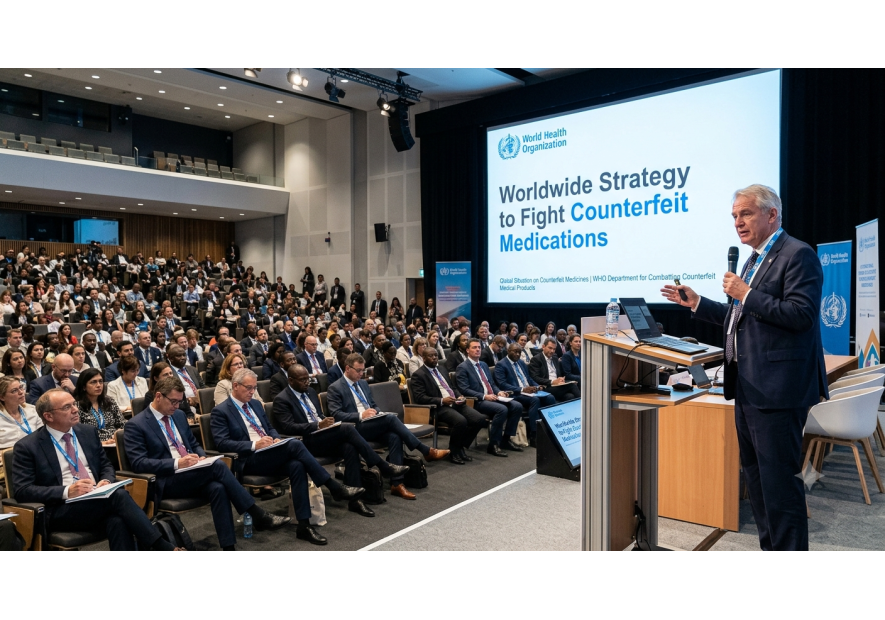
In response to the globalization of the pharmaceutical trade, the World Health Organization (WHO) has taken a tougher stance. Far from being merely a matter of trademark counterfeiting, the issue of falsified medicines is, for the WHO, a global public health emergency. The organization’s position is based on a clear clinical distinction and a strategy focused on protecting the most vulnerable populations.
The WHO Taxonomy: Defining to Better Combat
The WHO has established a rigorous conceptual framework to classify these products and avoid any confusion that could hinder government action:
Substandard products: Medical products that are authorized but do not meet quality standards or specifications due to unintentional errors (poor manufacturing practices, improper storage, or degradation during transport).
Counterfeit products: Products that deliberately misrepresent their identity, composition, or origin. In this context, criminal intent is central to the legal classification.
Unregistered/unapproved products: Products that have not been evaluated or approved by national regulatory authorities.
The WHO's position excludes disputes related to intellectual property rights (patent infringement) in order to focus exclusively on the risks related to the quality, safety, and efficacy of medicines.
The WHO's Alarming Findings
The WHO does more than just regulate; it issues warnings backed by statistics that highlight the scale of the disaster:
One in ten products: In low- and middle-income countries, about 10% of medical products are substandard or counterfeit.
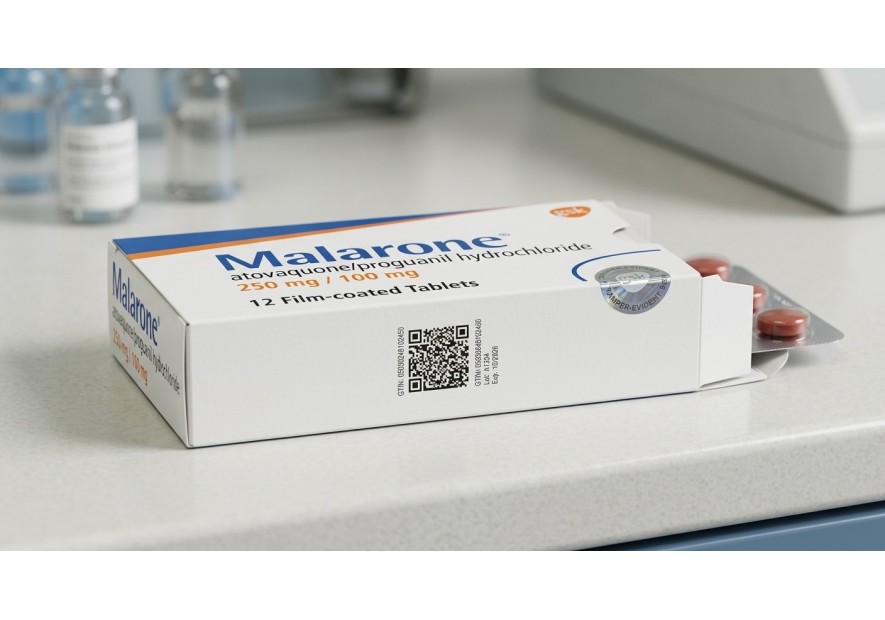
The human cost: WHO research directly links these products to hundreds of thousands of deaths each year, particularly from childhood pneumonia and malaria, where ineffective antibiotics or antimalarial drugs deprive patients of any chance of survival.
The Three Pillars of the WHO Strategy
The WHO urges its member states to take action on three interconnected fronts to secure the supply chain:
Prevention: Strengthen national regulatory systems, ensure secure supply chains, and promote deterrent criminal laws against trafficking.
Detect: Encourage countries to establish post-marketing surveillance systems and encourage healthcare professionals and patients to report any abnormalities or suspected issues.
Take Action: Establish mechanisms for the rapid recall of non-compliant batches and strengthen international cooperation to dismantle criminal networks that operate across national borders.
Individual Responsibility in the WHO's Vision
The WHO emphasizes that the responsibility does not lie solely with governments. Patient education is a tool in the fight against trafficking:
Purchasing through authorized channels: The WHO urges patients to purchase only from authorized pharmacies or websites that display the national or regional safety logo.
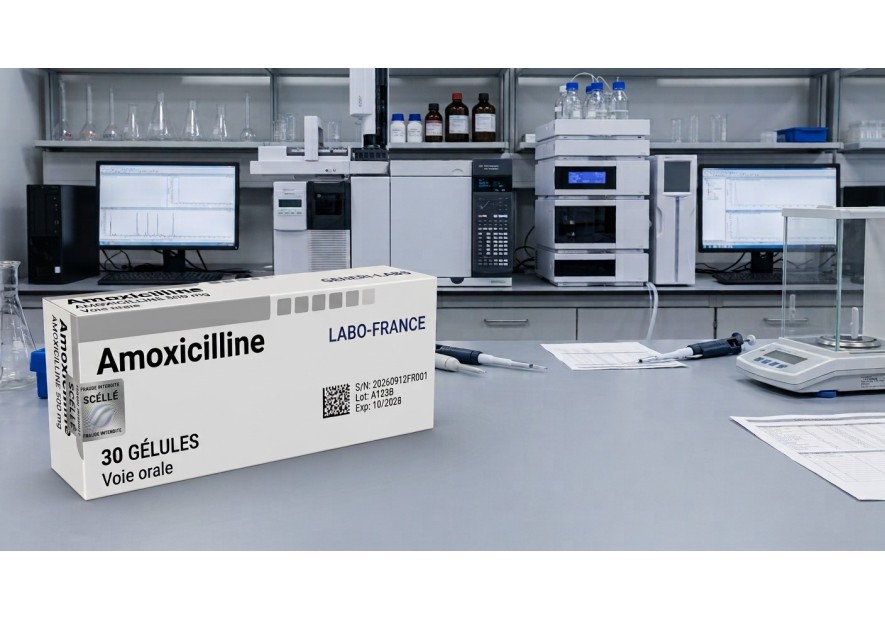
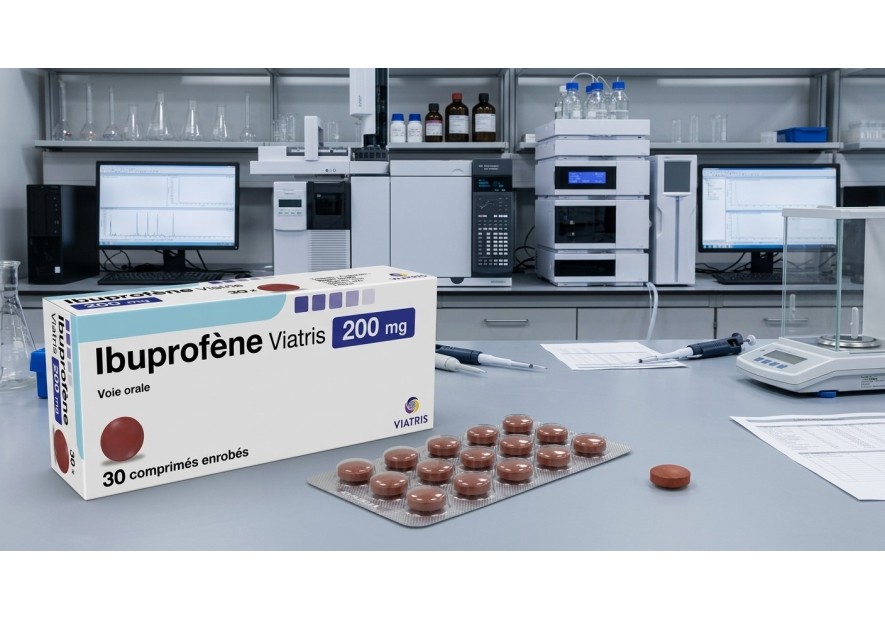
Visual inspection: Encourage patients to inspect the packaging, labeling, and package insert for any abnormalities.
A Top Priority for Health Equity
The WHO’s position is clear: no country is spared, but the poorest populations pay the highest price. The fight against counterfeit medicines is not just a law enforcement issue; it is an essential component of universal health coverage.
Do you suspect the presence of a counterfeit product? Report it immediately to your country’s health authorities, and if you need scientific evidence to support your report, use Pharmanalyse’s HPLC-UV analyses to verify the integrity of your medication.

Check My Med - Participatory Science Check My Med - Participatory Science
Join Pharmanalyse in the fight against counterfeit and illegal drugs! Order our drug analysis and contribute to knowledge about the quality of medicines on the market. Our laboratory analyzes your drug, studies the data and publishes the results in a summary report accessible to the public....
Price €49.00
Leave a comment