

Amoxicillin analysis: an essential tool for detecting counterfeits and protecting patient health
Amoxicillin is one of the most widely prescribed antibiotics in the world. Its effectiveness, relatively low cost and widespread use make it a first-line treatment for many bacterial infections. However, this high demand also makes it a prime target for counterfeiting. In this context, laboratory analysis of amoxicillin is a key tool for identifying non-compliant medicines and preventing potentially serious health risks.
Amoxicillin
Chemical family and mechanism of action
Amoxicillin belongs to the β-lactam family of antibiotics, more specifically to the aminopenicillins. It works by inhibiting bacterial cell wall synthesis, leading to the destruction of susceptible bacteria. This mechanism explains its effectiveness, but also the importance of precise dosing to prevent the emergence of resistance.
Therapeutic uses
Amoxicillin is indicated for the treatment of many bacterial infections, including:
- ENT infections (ear infections, sinusitis, bacterial tonsillitis),
- respiratory infections,
- urinary tract infections,
- dental infections,
- digestive infections (particularly in combination with Helicobacter pylori eradication).
It is used in both adults and children, which reinforces the safety concerns.
Dosage
The dosage of amoxicillin depends on the patient's age, weight, the severity of the infection and the route of administration. It must be strictly adhered to in order to ensure the effectiveness of the treatment and limit bacterial resistance.
Medicine at high risk of counterfeiting
The forms of amoxicillin most prone to counterfeiting are:
- Capsules and tablets,
- Powders for oral suspension, widely used in paediatrics,
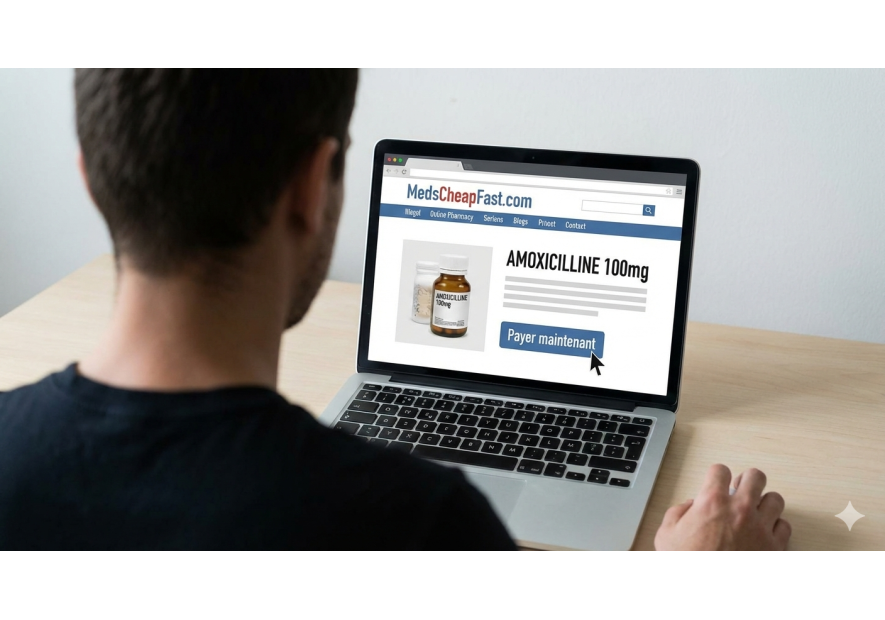
- Medicines sold outside official channels, particularly on the Internet.
Analysis of amoxicillin by HPLC-UV: a reference method
Why analyse amoxicillin?
A counterfeit medicine may contain:
- Insufficient amount of amoxicillin,
- Dangerous overdose,
- No trace of active ingredient
- Another active ingredient with contraindications
- Potentially toxic impurities.
Amoxicillin analysis allows the drug to be checked for compliance with pharmaceutical requirements.
Principle of HPLC-UV
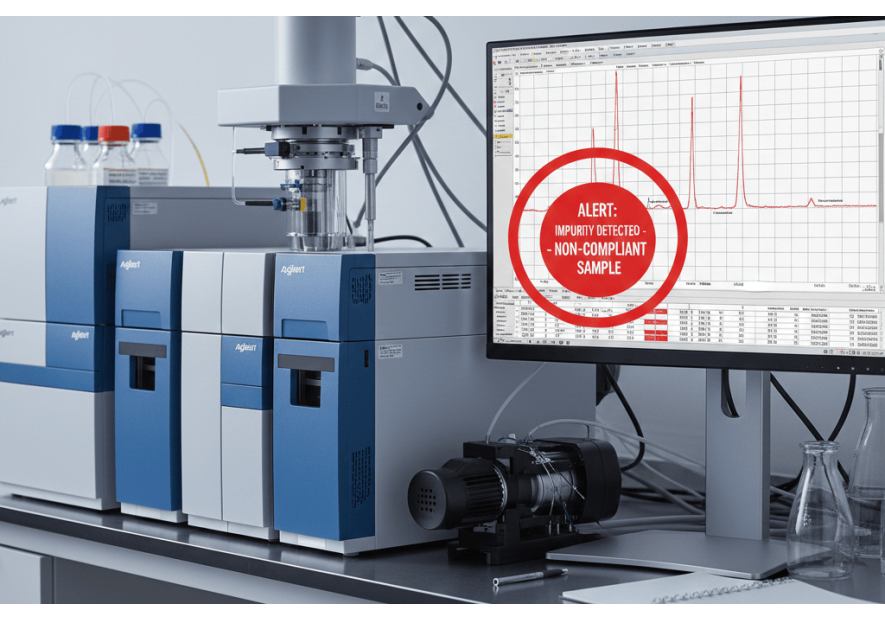
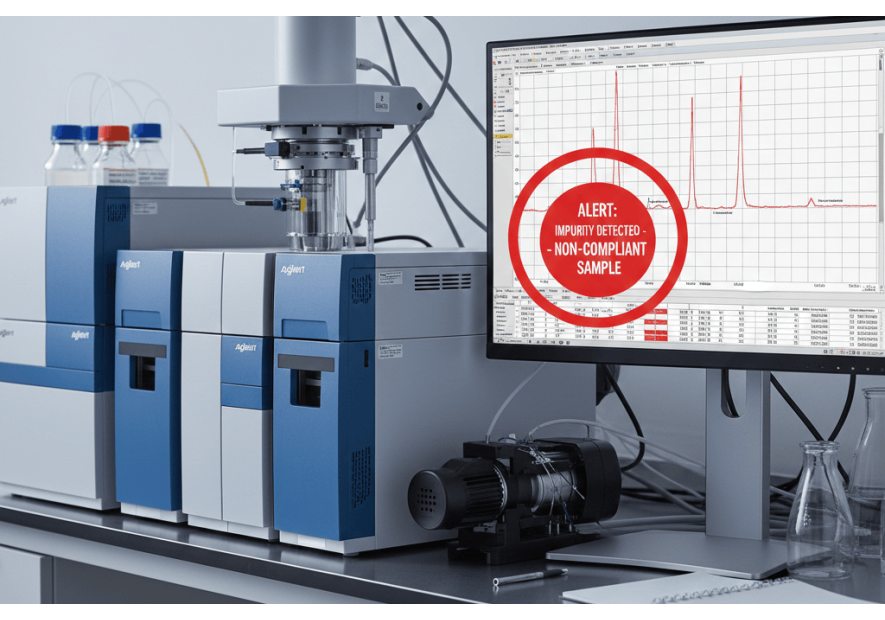
High-performance liquid chromatography (HPLC) coupled with UV-Visible detection is a standard analytical technique for testing medicines and antibiotics. It enables the precise separation, identification and quantification of amoxicillin in a pharmaceutical formulation.
The advantages of HPLC-UV
This method has several major advantages:
- High precision: accurate measurement of the active ingredient concentration.
- Reliability: reproducible results, recognised by health authorities.
- Specificity: clear distinction between amoxicillin and impurities or degradation substances.
- Detection of non-compliance: rapid identification of underdoses, overdoses or absence of active ingredient.
Thanks to HPLC-UV, amoxicillin analysis can determine whether a medicine is genuine, counterfeit or non-compliant.
Risks to patients associated with counterfeit amoxicillin
The consumption of non-compliant amoxicillin antibiotics exposes patients to several major risks:
- Under-dosage: ineffective treatment and persistent infection.
- Absence of active ingredient: delayed medical treatment, potential complications.
- Overdose: increased adverse effects (digestive problems, allergic reactions).
- Development of bacterial resistance: a major public health issue, exacerbated by inappropriate dosages.
These risks are particularly critical in children, the elderly, and immunocompromised patients.
Amoxicillin is an essential antibiotic, but its widespread use makes it a prime target for counterfeiting. With the increase in purchases of medicines outside regulated channels, amoxicillin analysis by HPLC-UV is emerging as a reliable solution for checking the compliance of medicines, detecting counterfeits and protecting patient health.
Prioritising official channels and resorting to laboratory analysis in case of doubt is now a responsible and essential approach.


Amoxicilline - Clamoxyl - Amoxil - Augmentin Analysis Amoxicilline - Clamoxyl - Amoxil - Augmentin Analysis
Laboratory analysis of drugs to certify the presence and measure the quantity of Amoxicillin. The level of uncertainty of the Amoxicillin content analysis depends on the declination selected (Standard <20%, Precise <10% or Regulatory <5%). Follow the instructions to send your drug to our...
Price €149.00
Leave a comment